What Is 5-Axis CNC Machining?

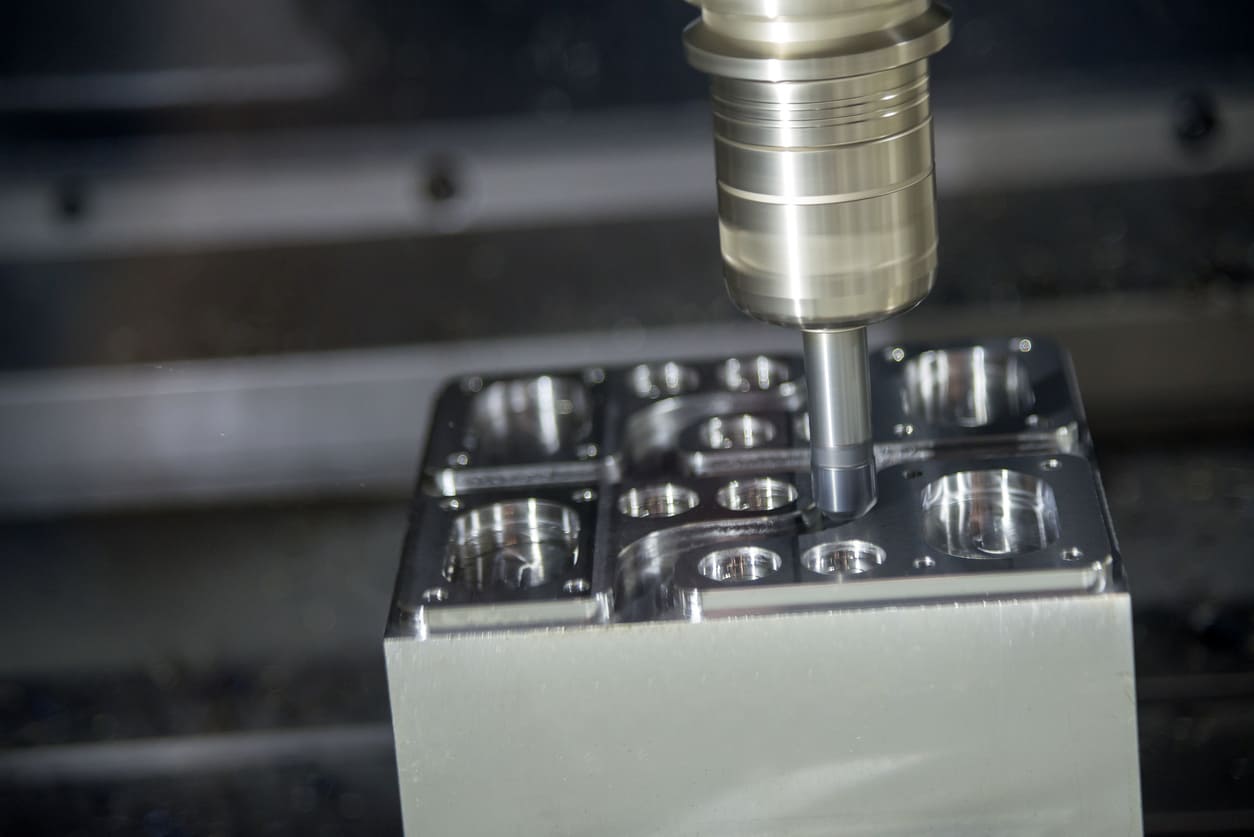
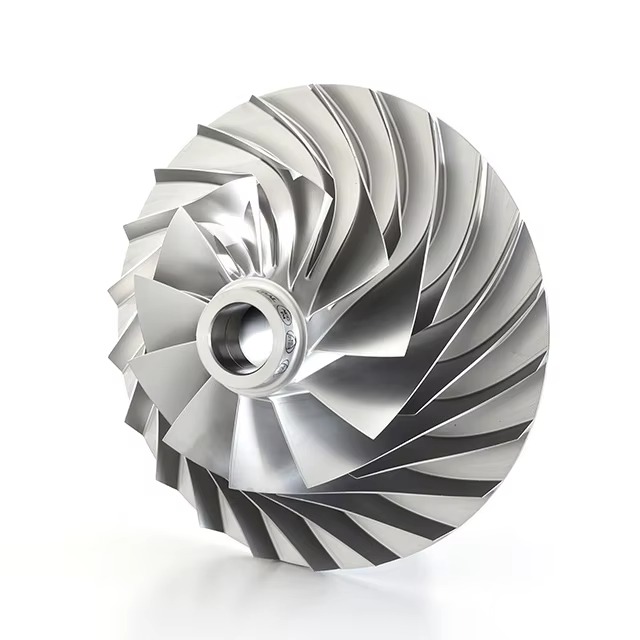
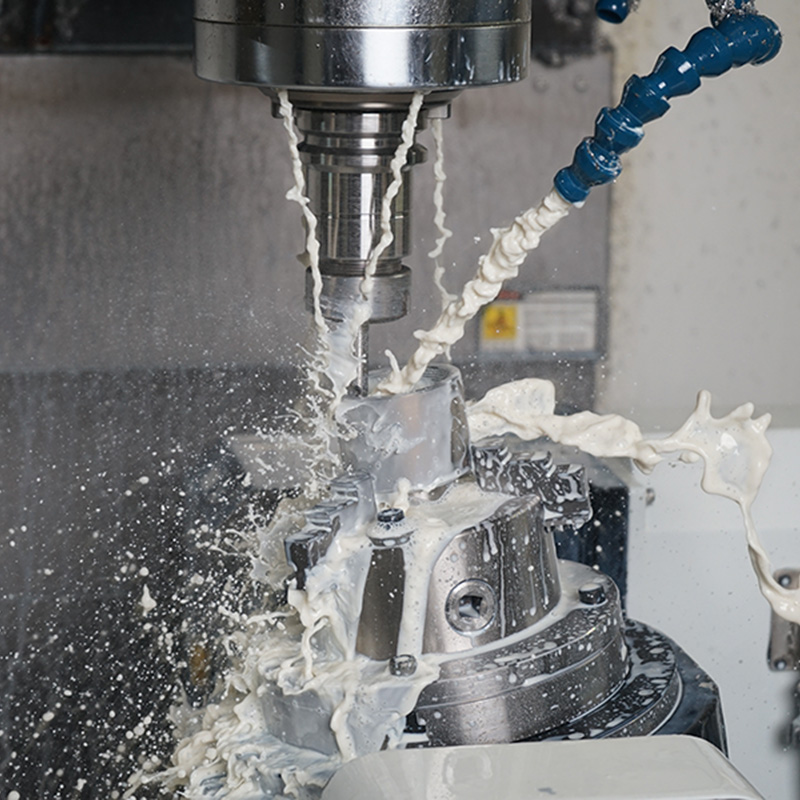
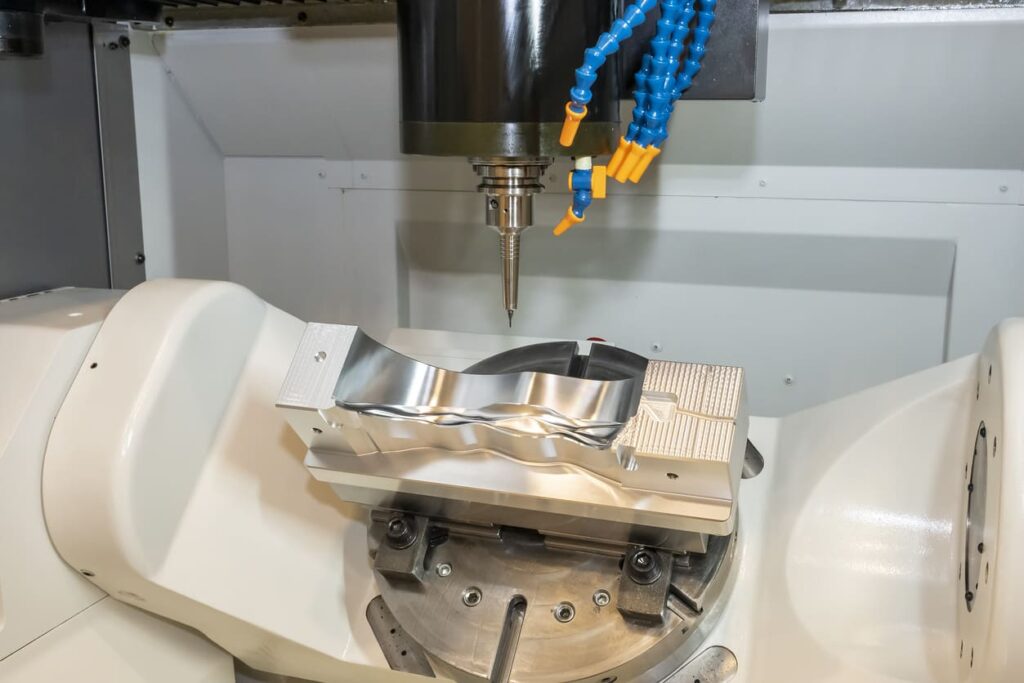
5-axis CNC machining is a precision milling process where the cutting tool or workpiece moves along three linear axes and two rotational axes. Compared with 3-axis machining, 5-axis machining allows the tool to approach the part from multiple directions, making it possible to machine complex surfaces, undercuts, angled holes, and features on several faces in fewer setups.

For complex precision parts, fewer setups can mean less datum transfer error, better positional accuracy, improved surface finish, and more consistent part-to-part repeatability. This is why 5-axis CNC machining is commonly used for robotic components, aerospace brackets, medical device parts, semiconductor fixtures, optical mounts, and complex housings.
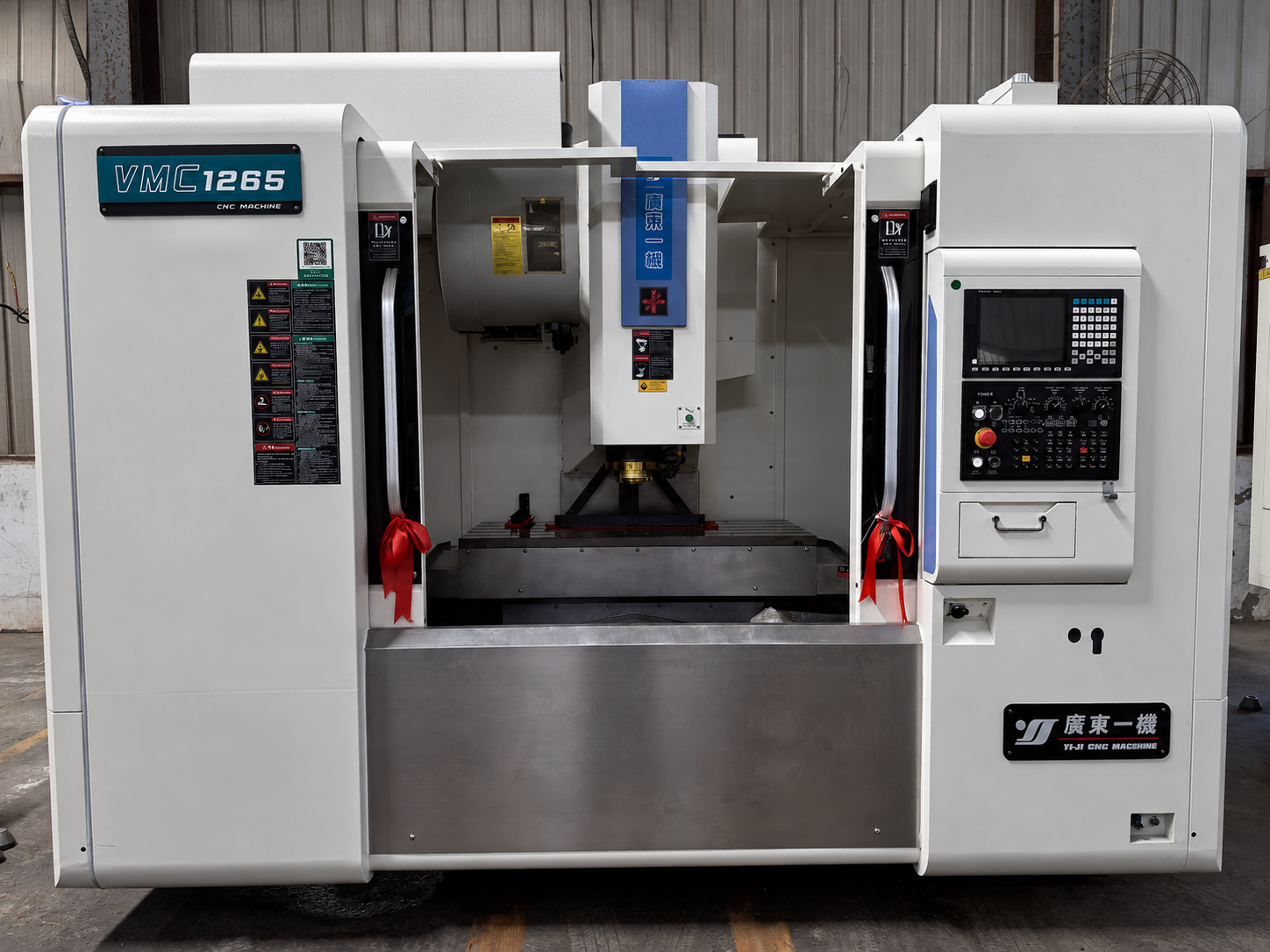
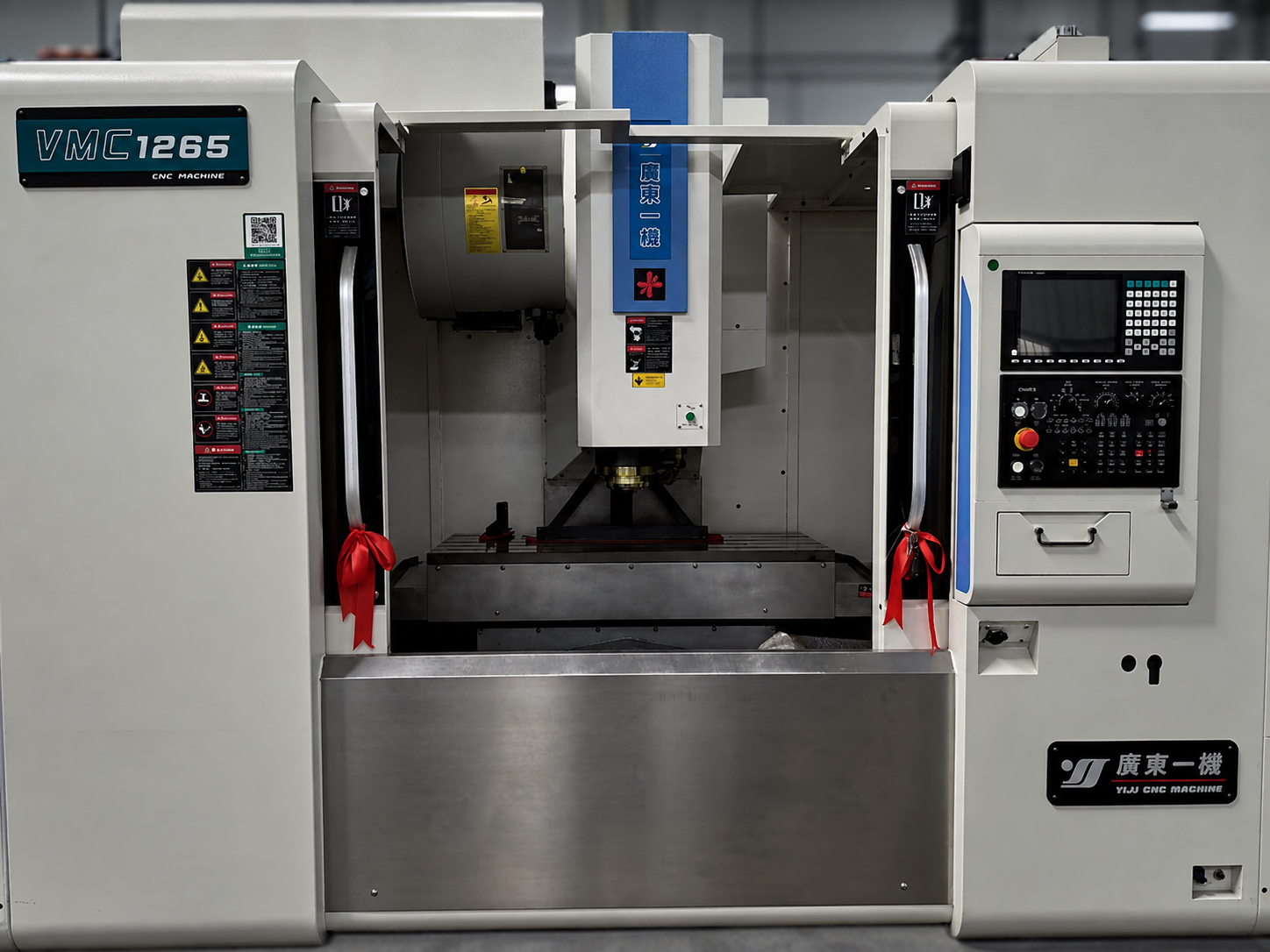
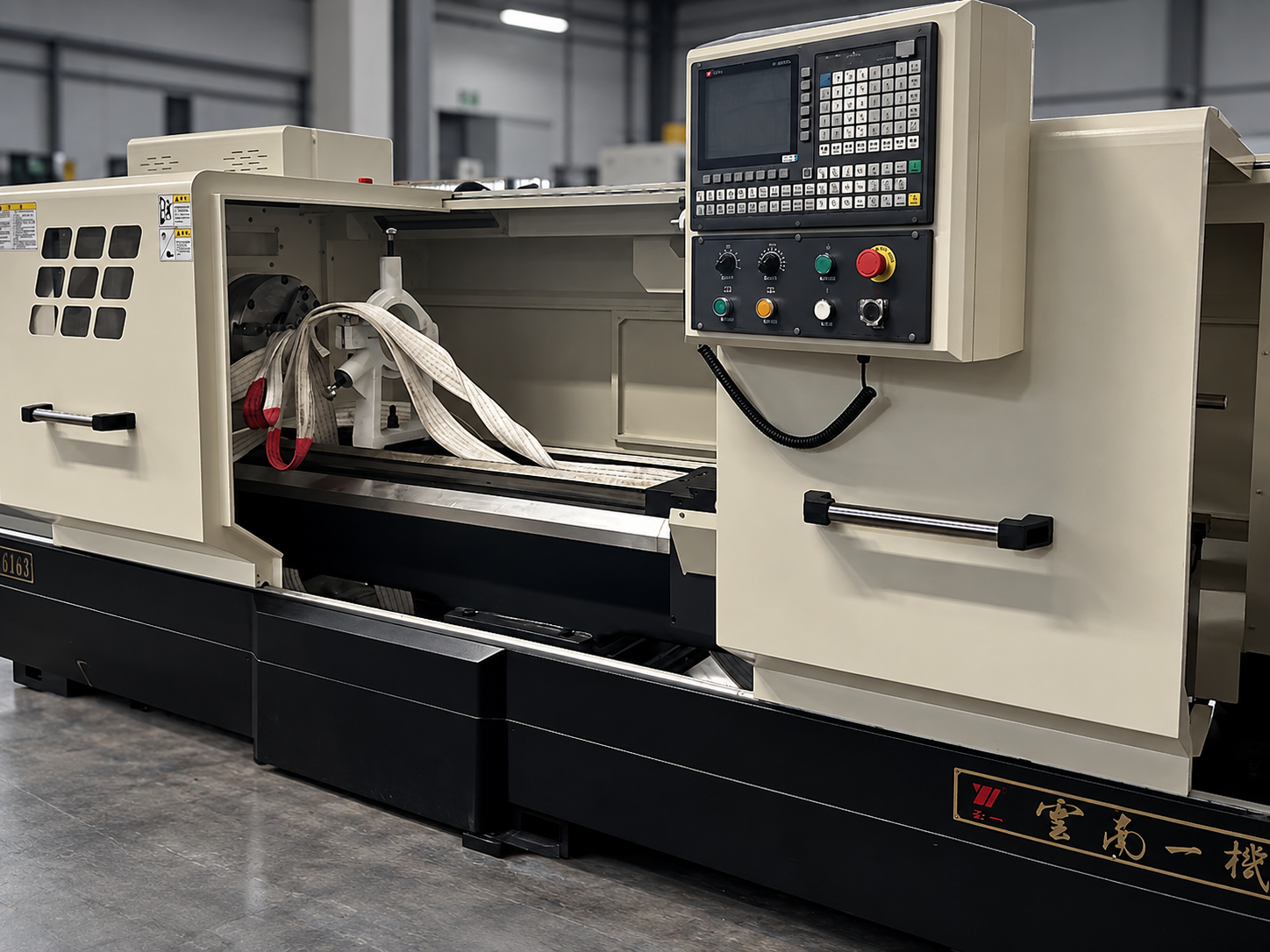
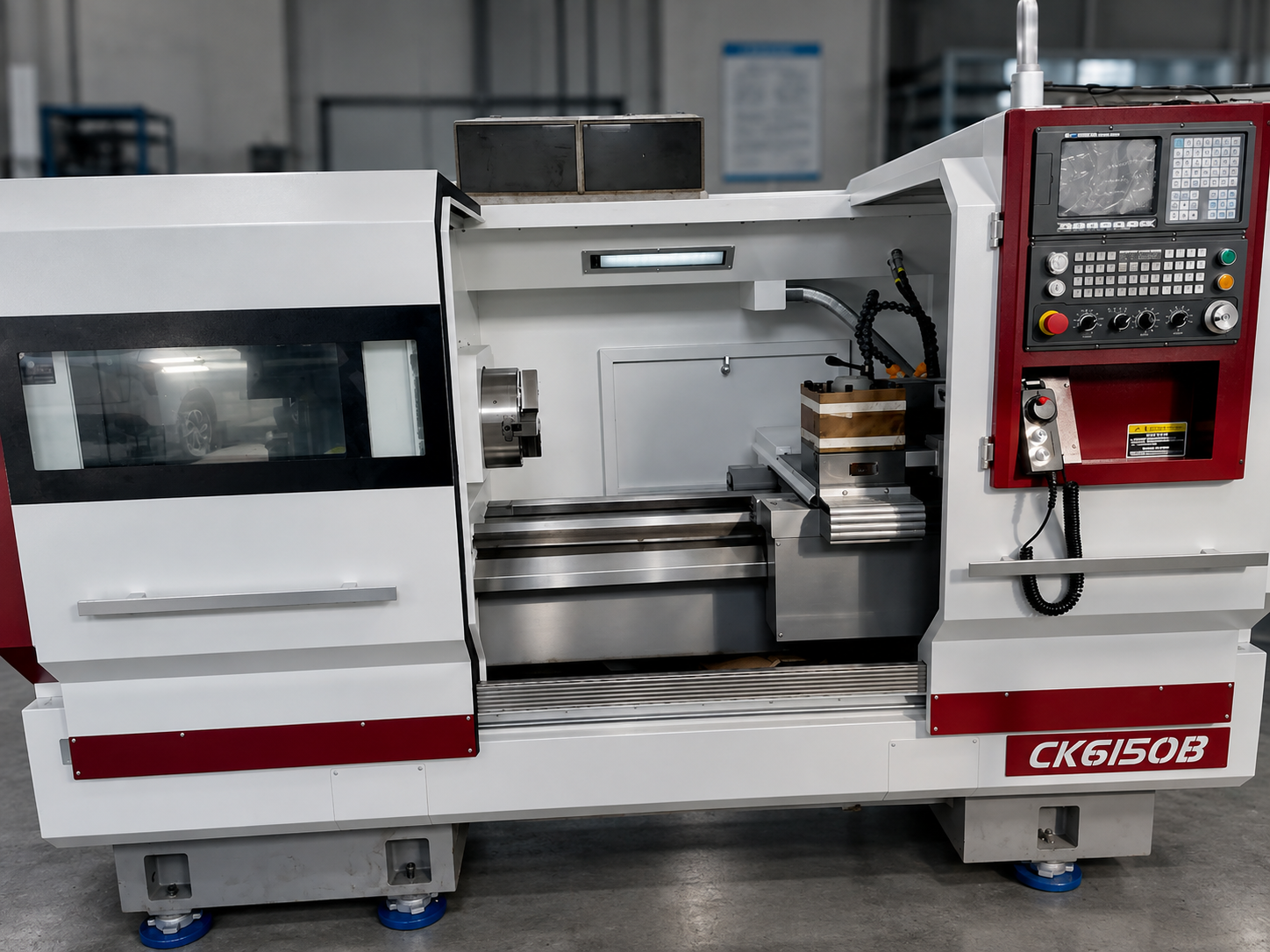
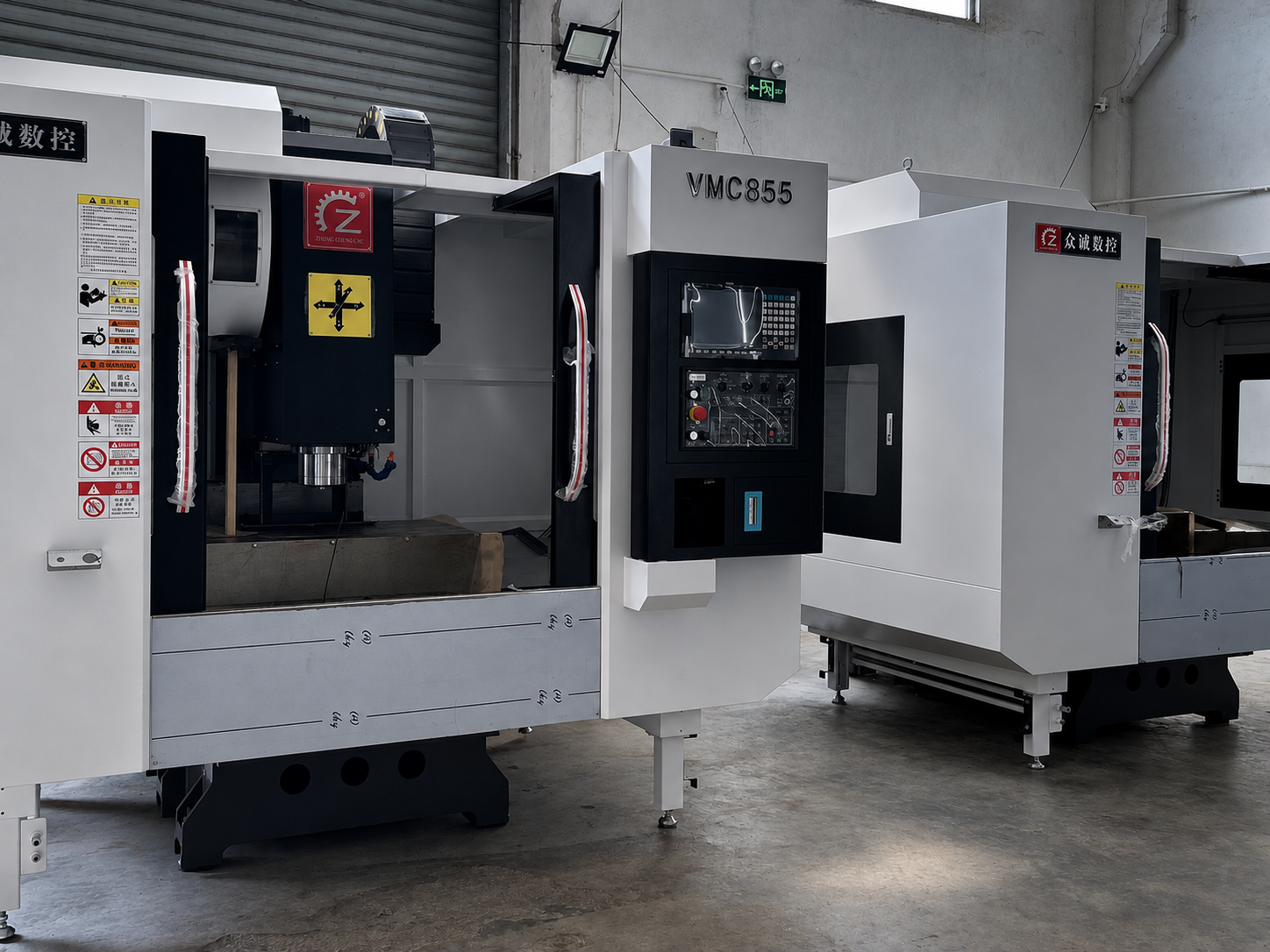
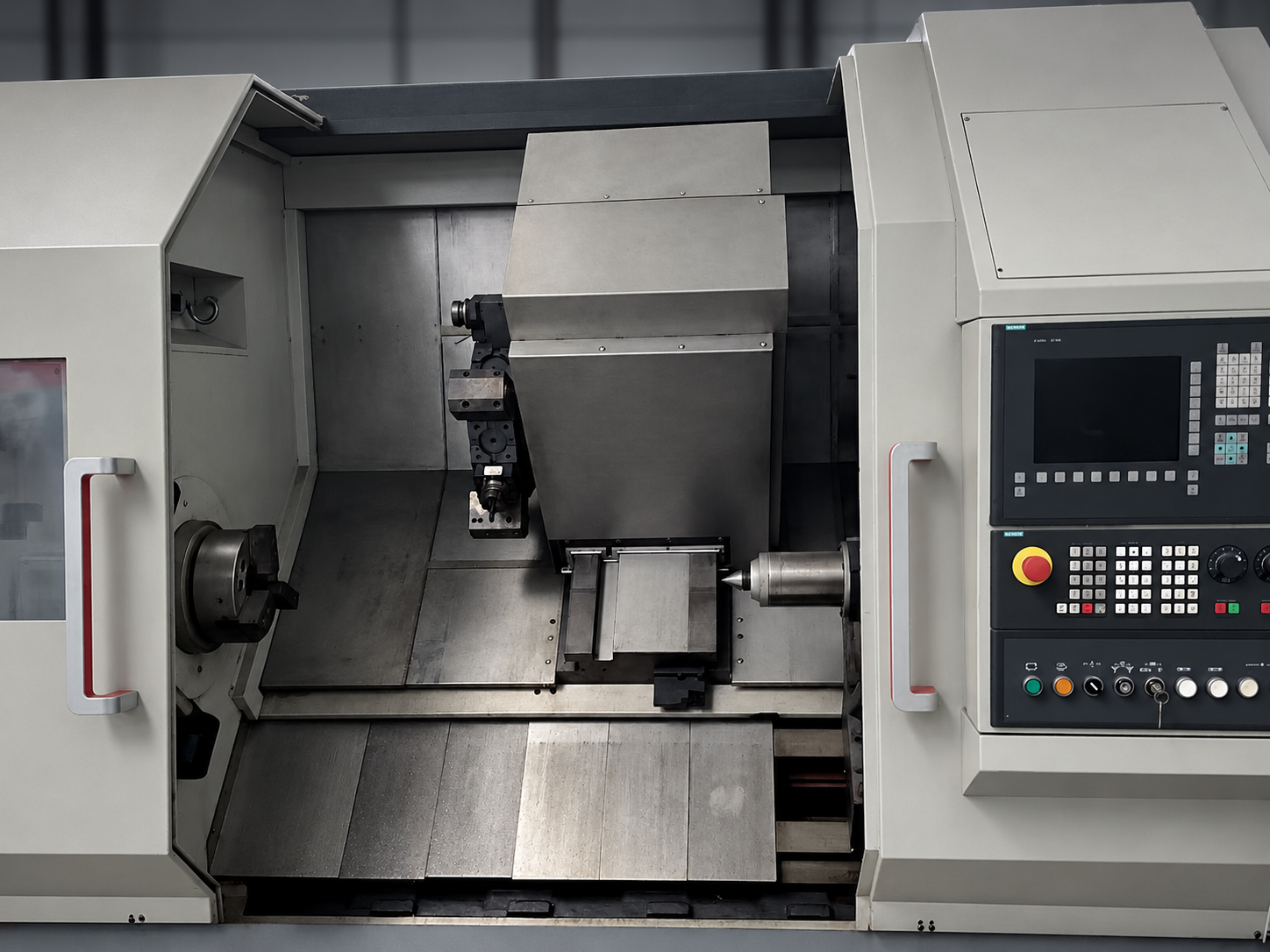
Advanced Manufacturing Facilities

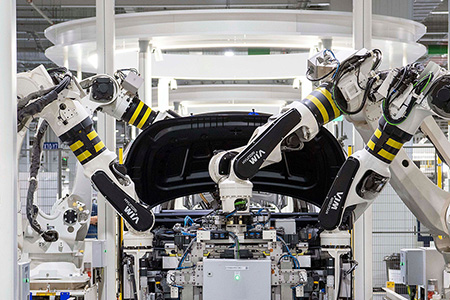
With advanced manufacturing equipment, professional inspection tools, and an experienced production team, we provide flexible support from prototypes to volume production while maintaining consistent quality and reliable delivery.

  • Advanced Equipment

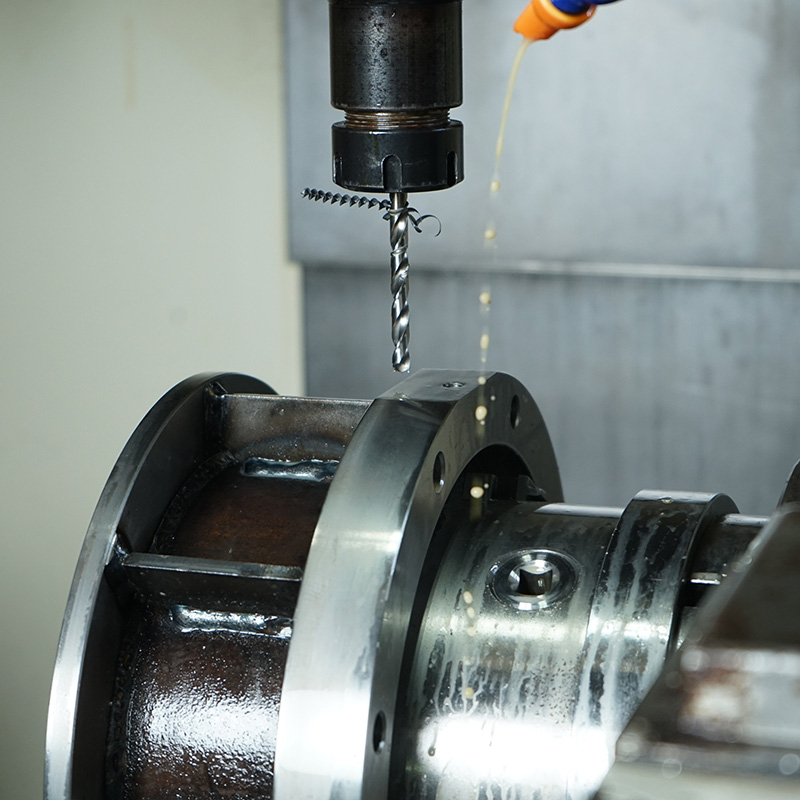
    Modern manufacturing equipment supports a wide range of materials, part sizes, and machining requirements.

  • Experienced Team

    Skilled engineers and technicians support both standard and complex manufacturing projects.

  • Strict Quality Control

    Professional inspection and standardized processes help ensure consistent part quality.

  • Flexible Production

    From prototypes and small batches to volume production, we provide flexible production support for different project needs.

Our 5-Axis Machining Processes

Explore our 5-axis machining processes designed for complex geometries, multi-angle features, and high-precision components.

  • 3+2 Indexed 5-Axis Machining

    3+2 machining positions the part at fixed angles before using 3-axis milling movements. It is often ideal for multi-face parts that do not need continuous simultaneous 5-axis motion but benefit from reduced re-fixturing.

  • Simultaneous 5-Axis Machining

    Simultaneous 5-axis machining moves linear and rotary axes together, allowing the tool to maintain a better cutting angle on curved surfaces and complex profiles.

  • Complex Surface Machining

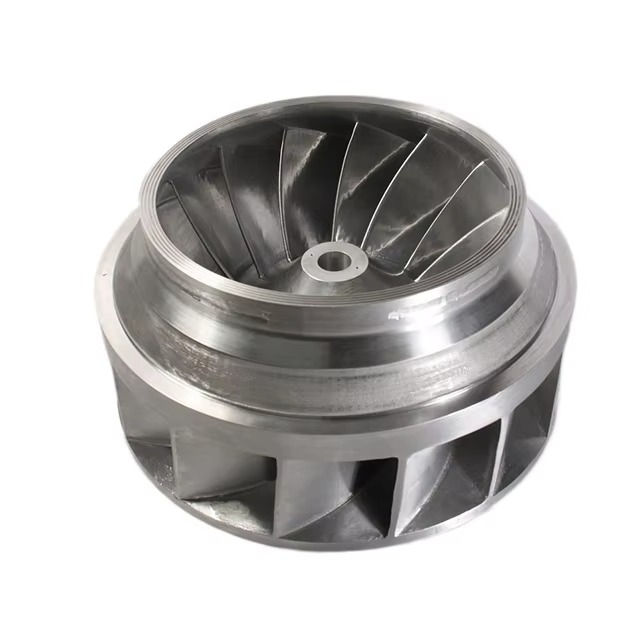
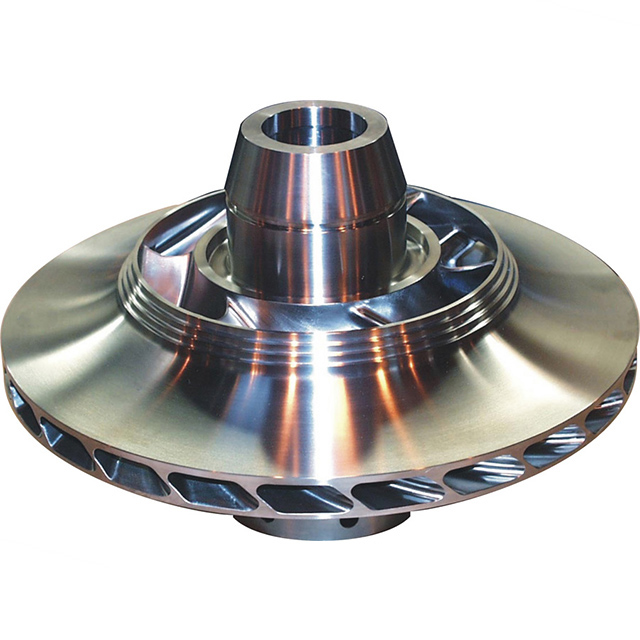
    For parts with sculpted geometry, organic curves, or aerospace-style lightweighting pockets, 5-axis machining helps keep tool engagement stable and surface finish consistent.

  • Tight-Tolerance Multi-Face Machining

    For parts where holes, mating faces, and mounting features must align across several sides, fewer setups can reduce accumulated tolerance stack-up and improve assembly fit.

Surface Finishing Options for 5-Axis Machined Parts

A range of finishing options is available for complex 5-axis machined parts, helping improve surface quality, durability, and final appearance.

  • Anodizing

  • Chrome plating

  • Galvanizing

  • Nickel plating

  • Painting

  • Powder coating

  • Sand blasting

  • Silk screen

  • Laser marking

  • Black oxide

  • Brushing

  • Electropolishing

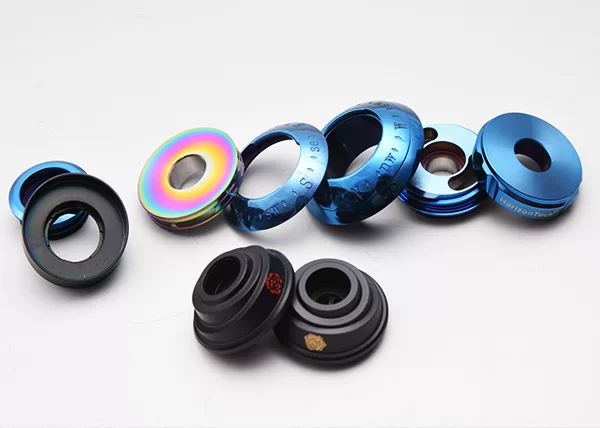
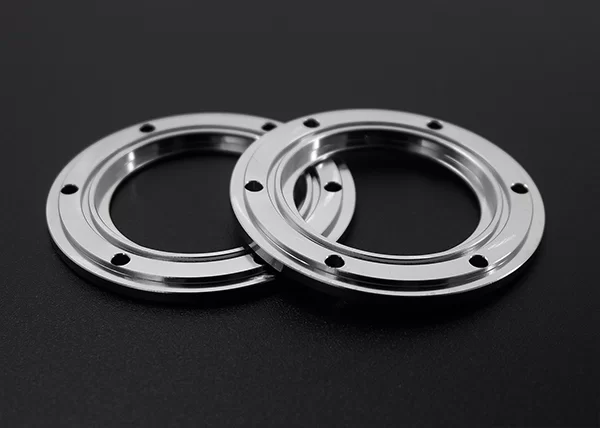
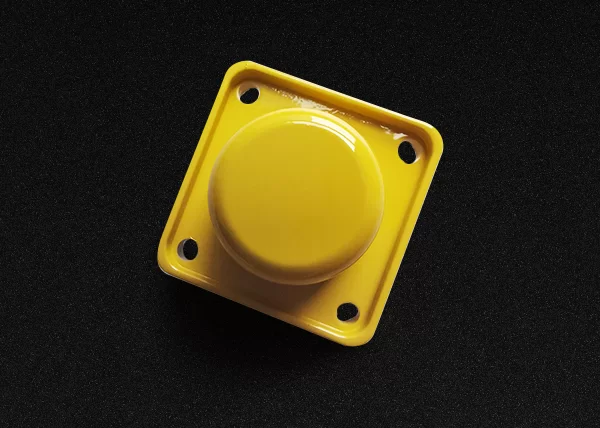
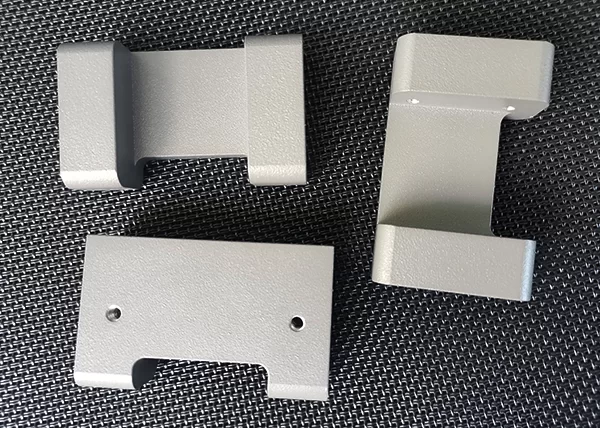
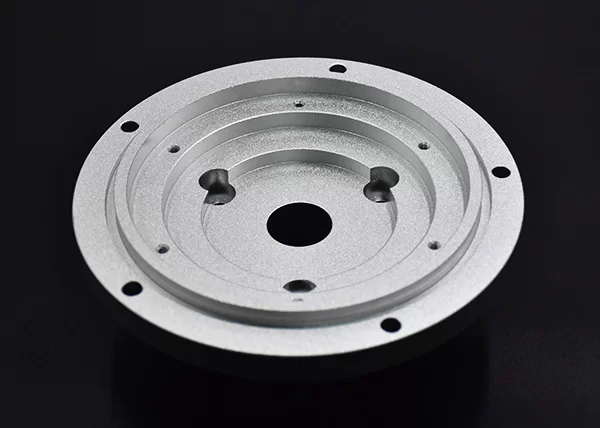
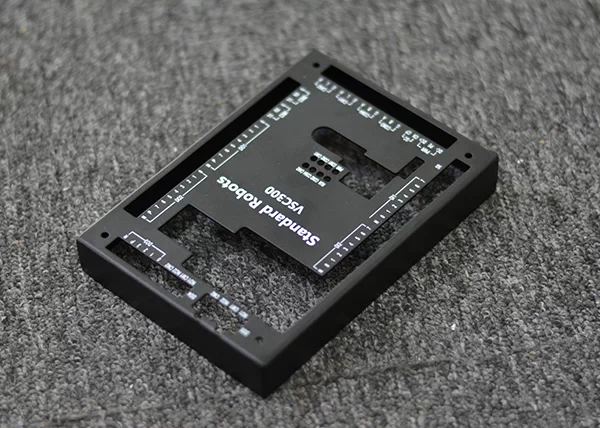
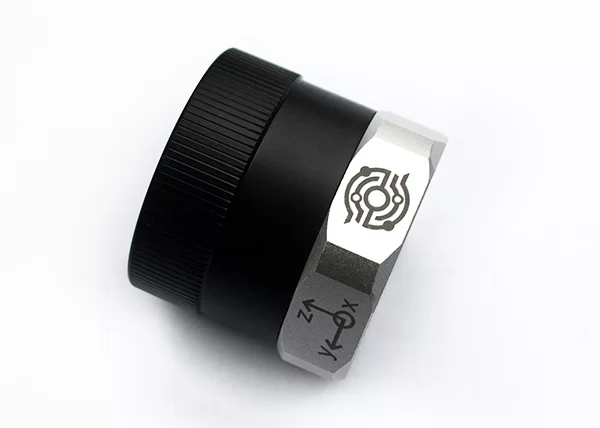
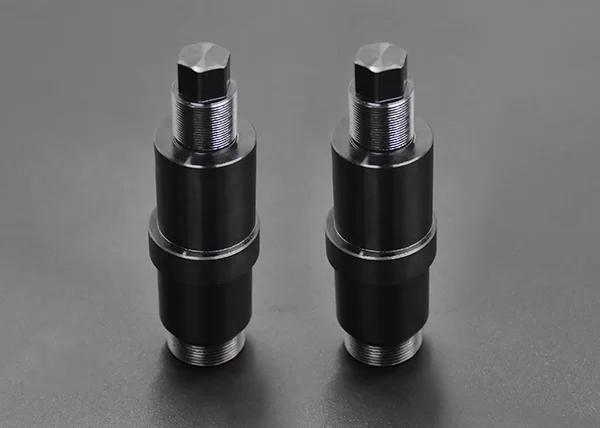
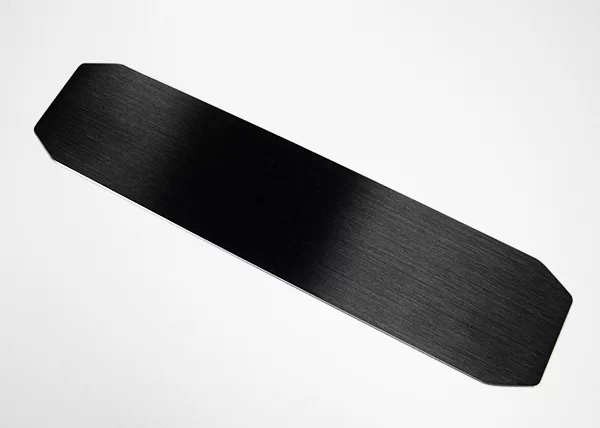
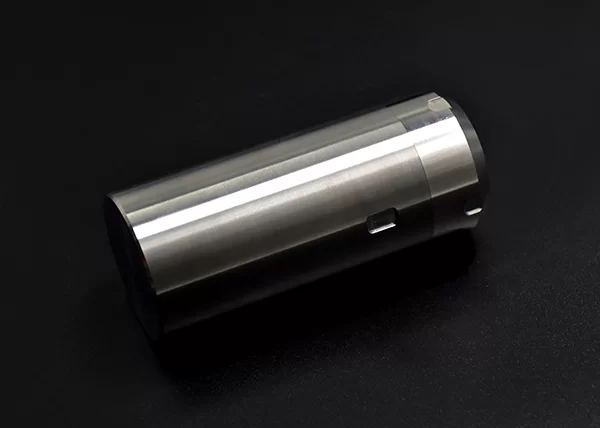
Five-axis precision machining Parts Gallery

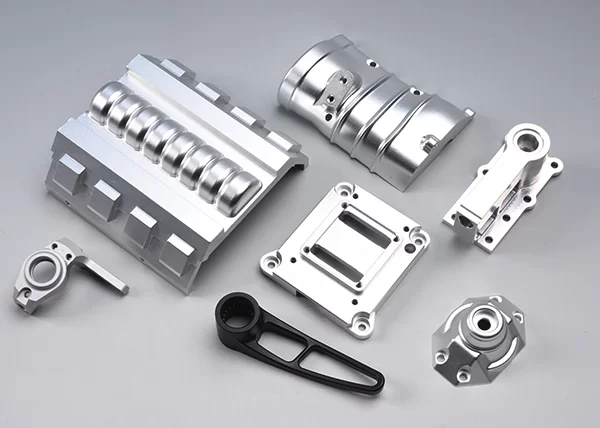
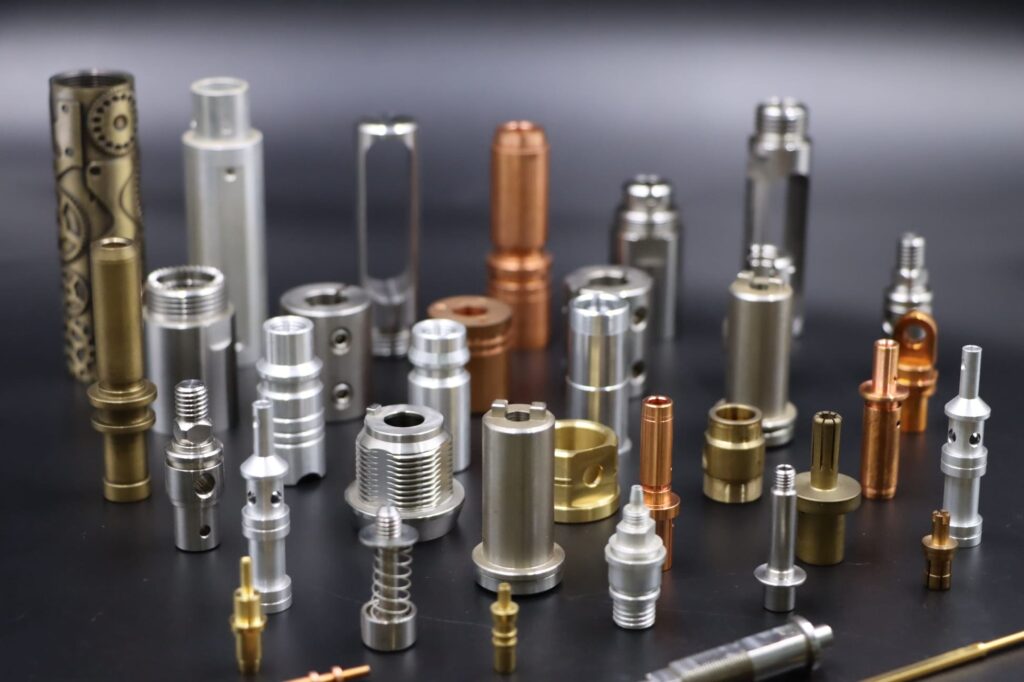
Explore our gallery of parts and components, showcasing our manufacturing quality, precision, and capabilities.

FAQs About Five-axis precision machining Service

What is CNC turning?

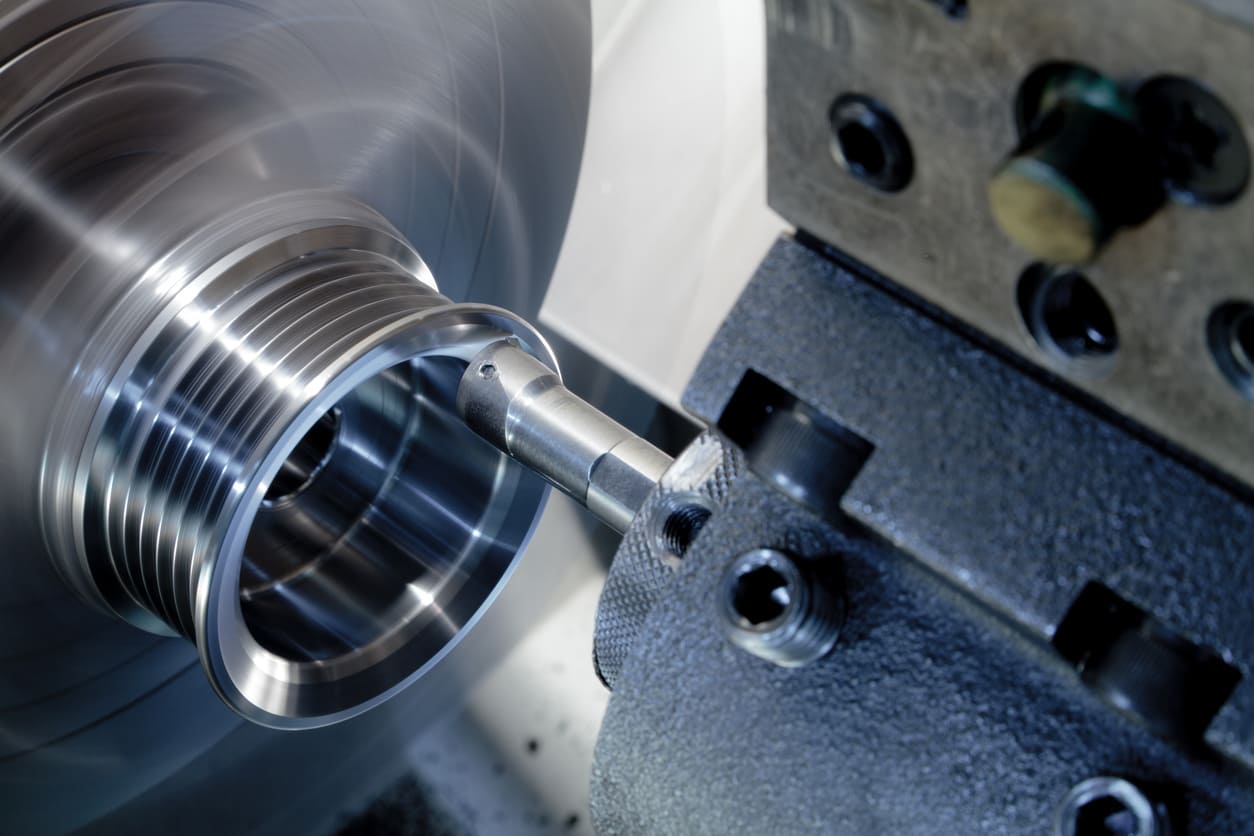
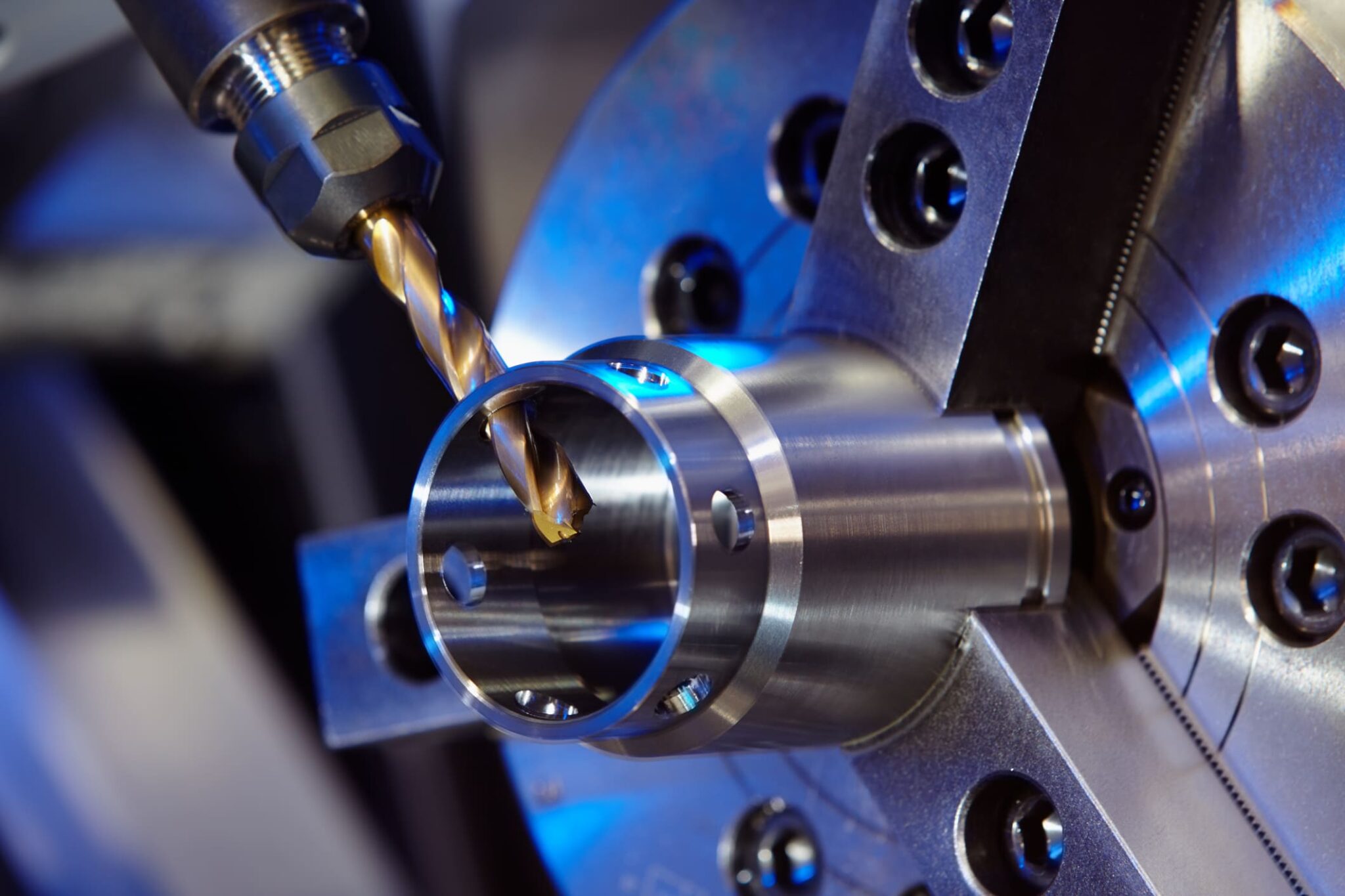
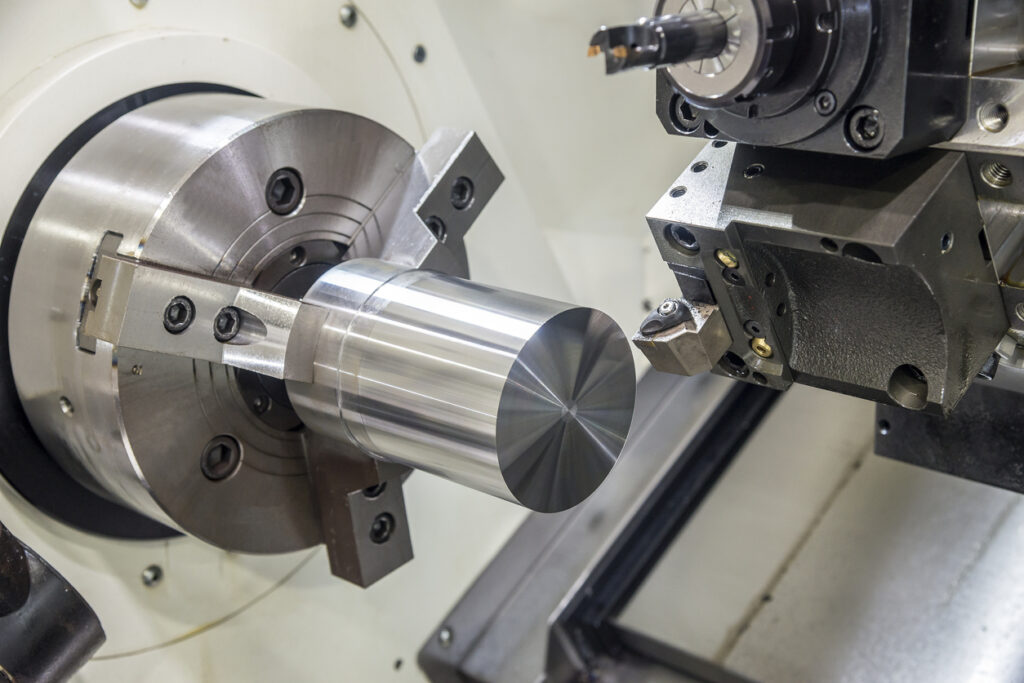
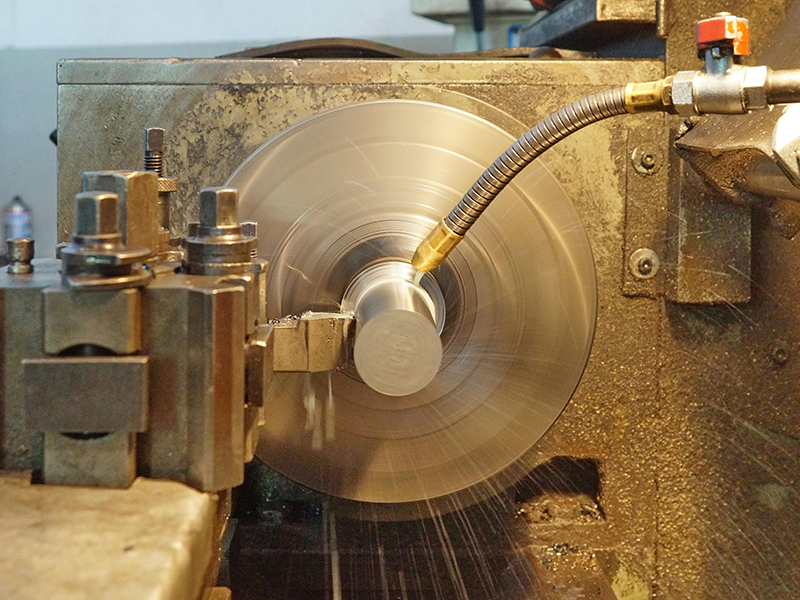
CNC turning is a machining process where a workpiece rotates while cutting tools remove material to create precise cylindrical parts.

What materials can be used for CNC turning?

We machine aluminum, stainless steel, steel, brass, copper, titanium, plastics, and other engineering materials.

What types of parts are suitable for CNC turning?

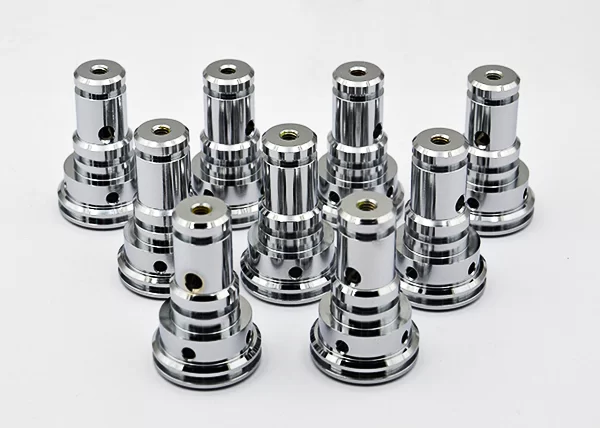
CNC turning is ideal for shafts, pins, bushings, sleeves, threaded parts, and other round or cylindrical components.

Can you handle both prototypes and production runs?

Yes. We support everything from one-off prototypes and small batches to higher-volume production.