What is 3D Printing?

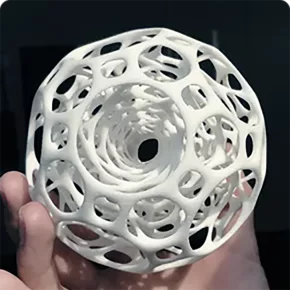
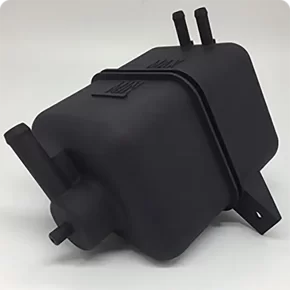
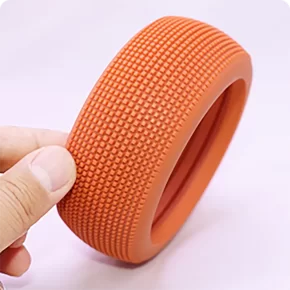
3D printing, also known as additive manufacturing, is a manufacturing process that creates physical parts layer by layer from a digital 3D model. Unlike traditional subtractive machining, it builds material only where needed, making it ideal for complex geometries, rapid prototypes, customized parts, and low-volume production.

Benefits of 3D Printing

Rapid Prototyping: Quickly turn digital designs into physical parts for testing and validation. 

Complex Geometries: Produce intricate internal structures and shapes that are difficult to achieve with traditional machining. 

Design Flexibility: Easily modify designs without the need for complex tooling or molds.

Low-Volume Production: Well suited for prototypes, custom parts, and small-batch manufacturing.
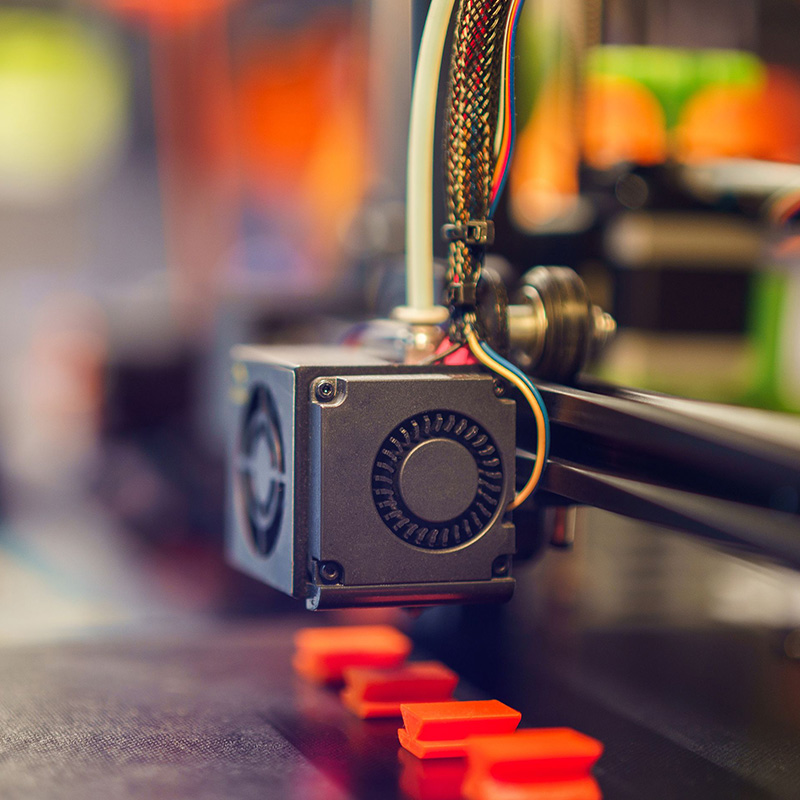
Advanced Manufacturing Facilities

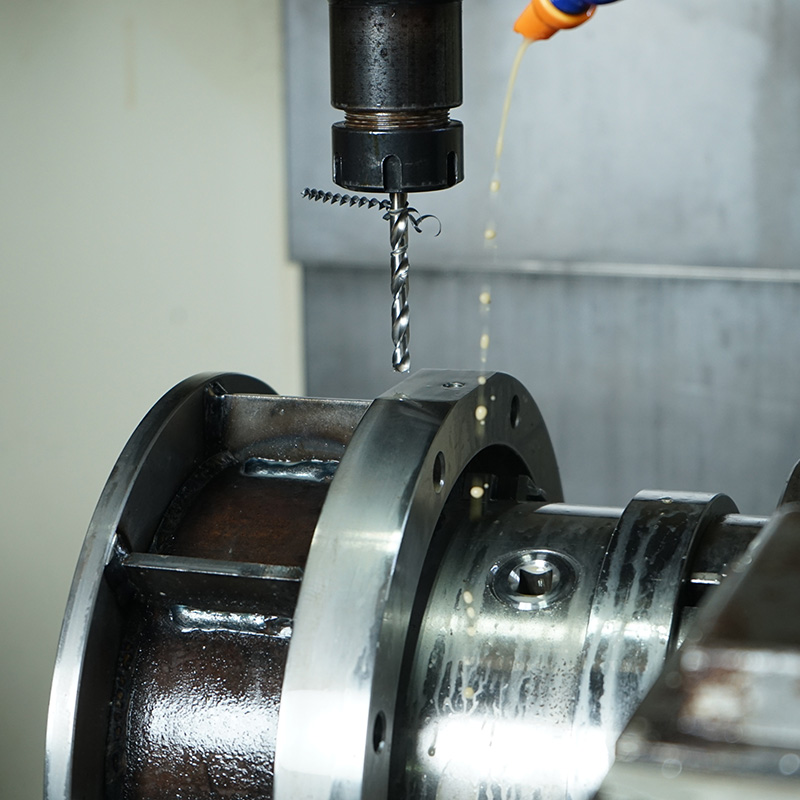
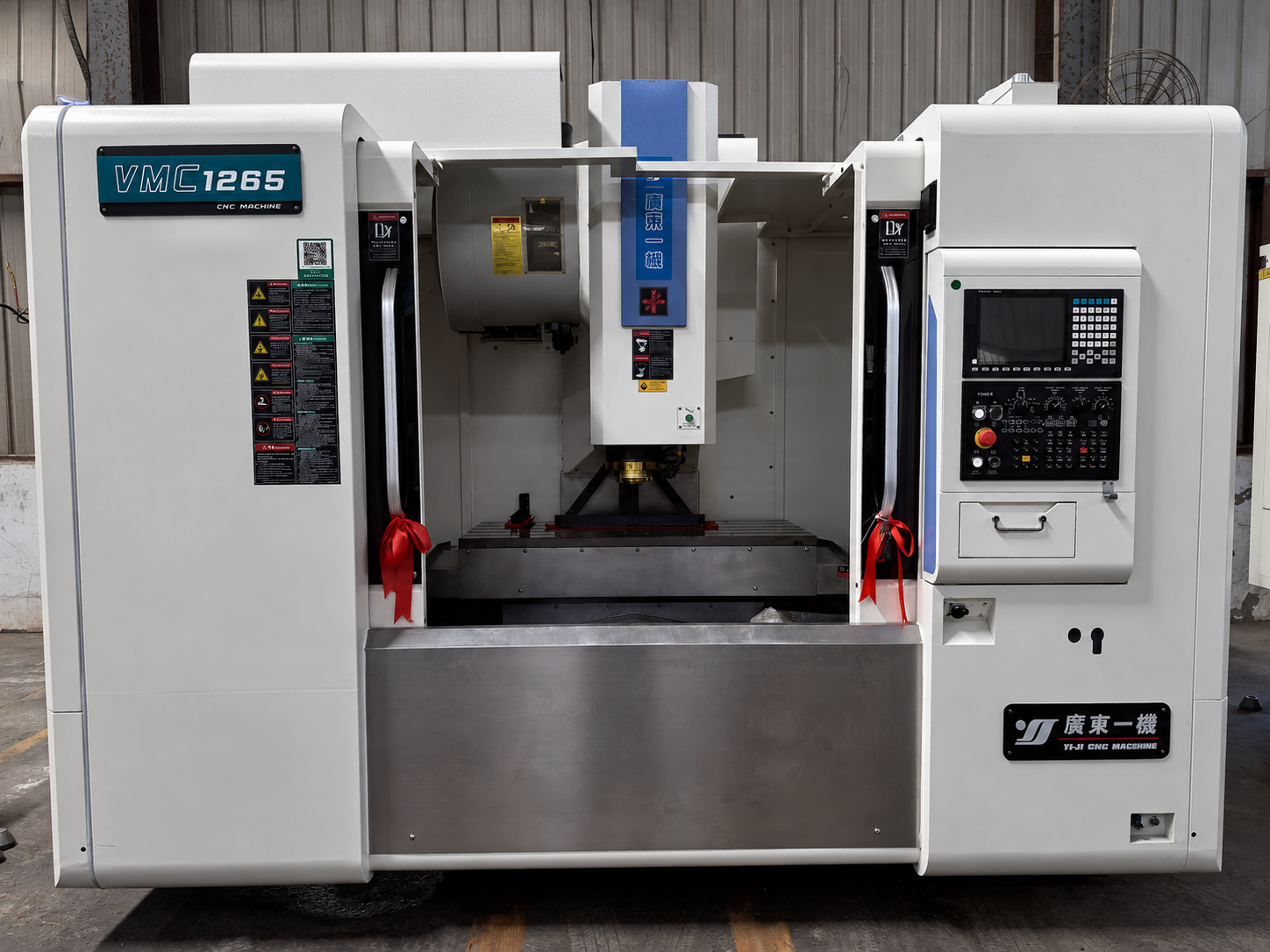
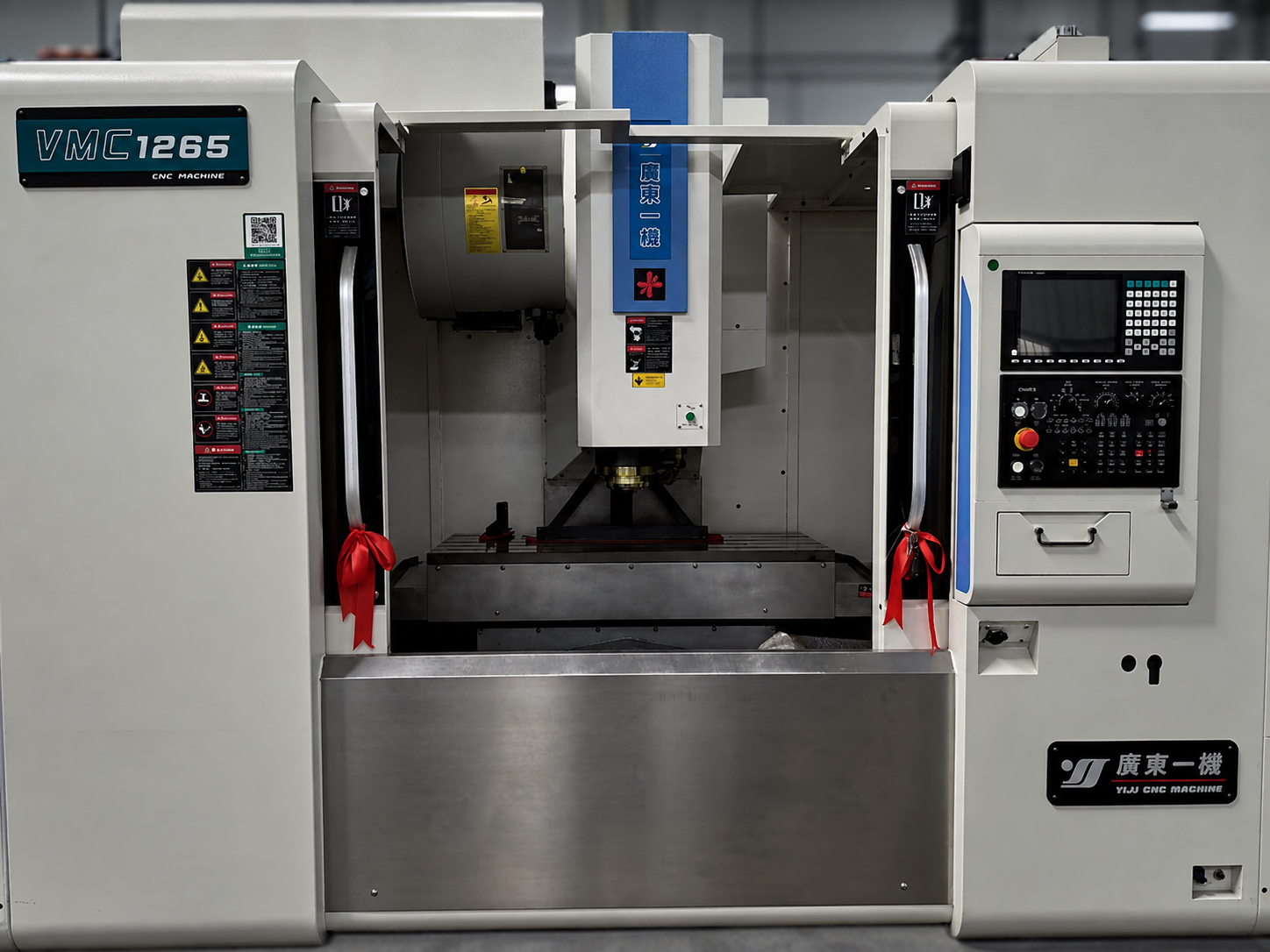
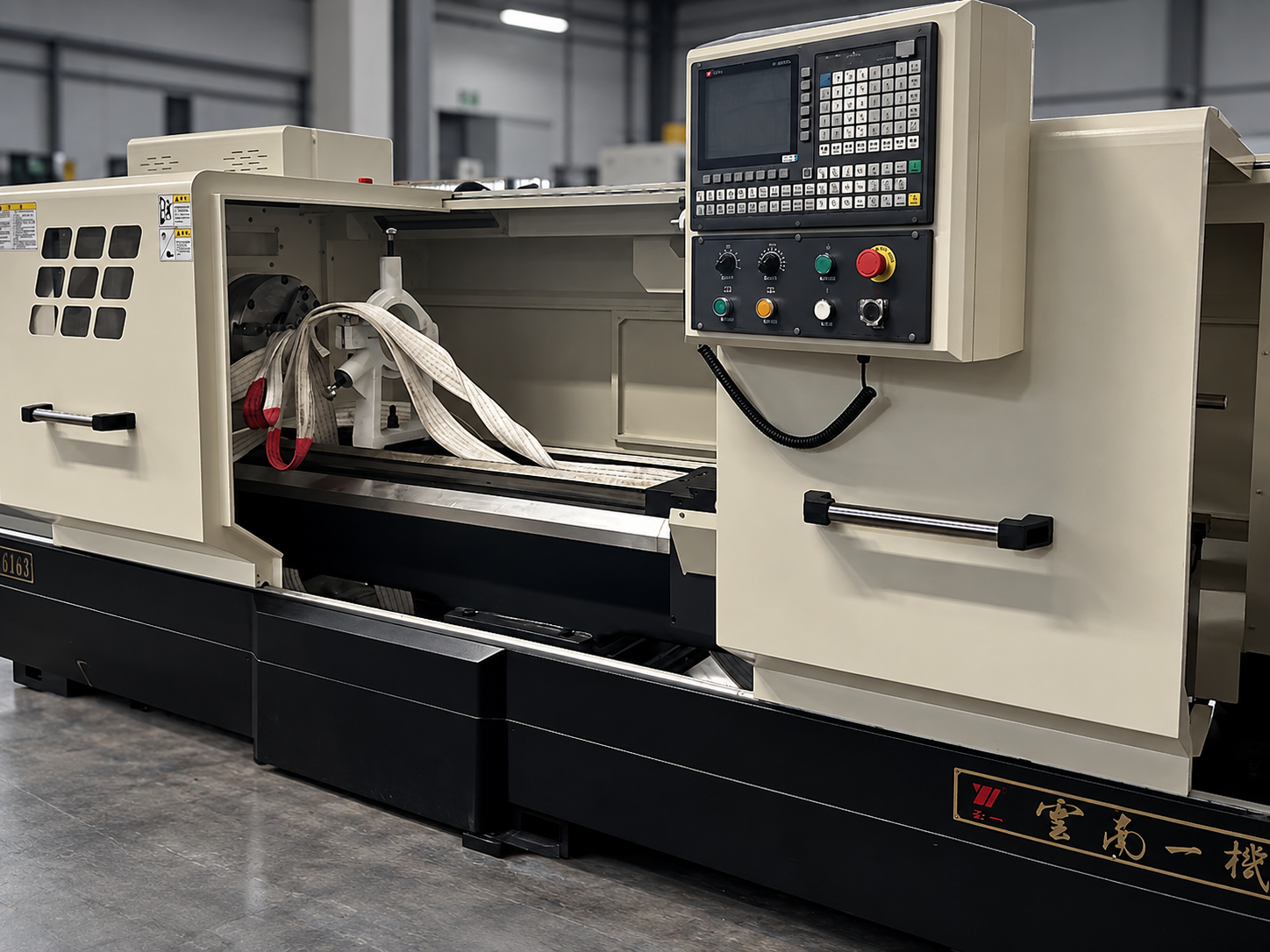
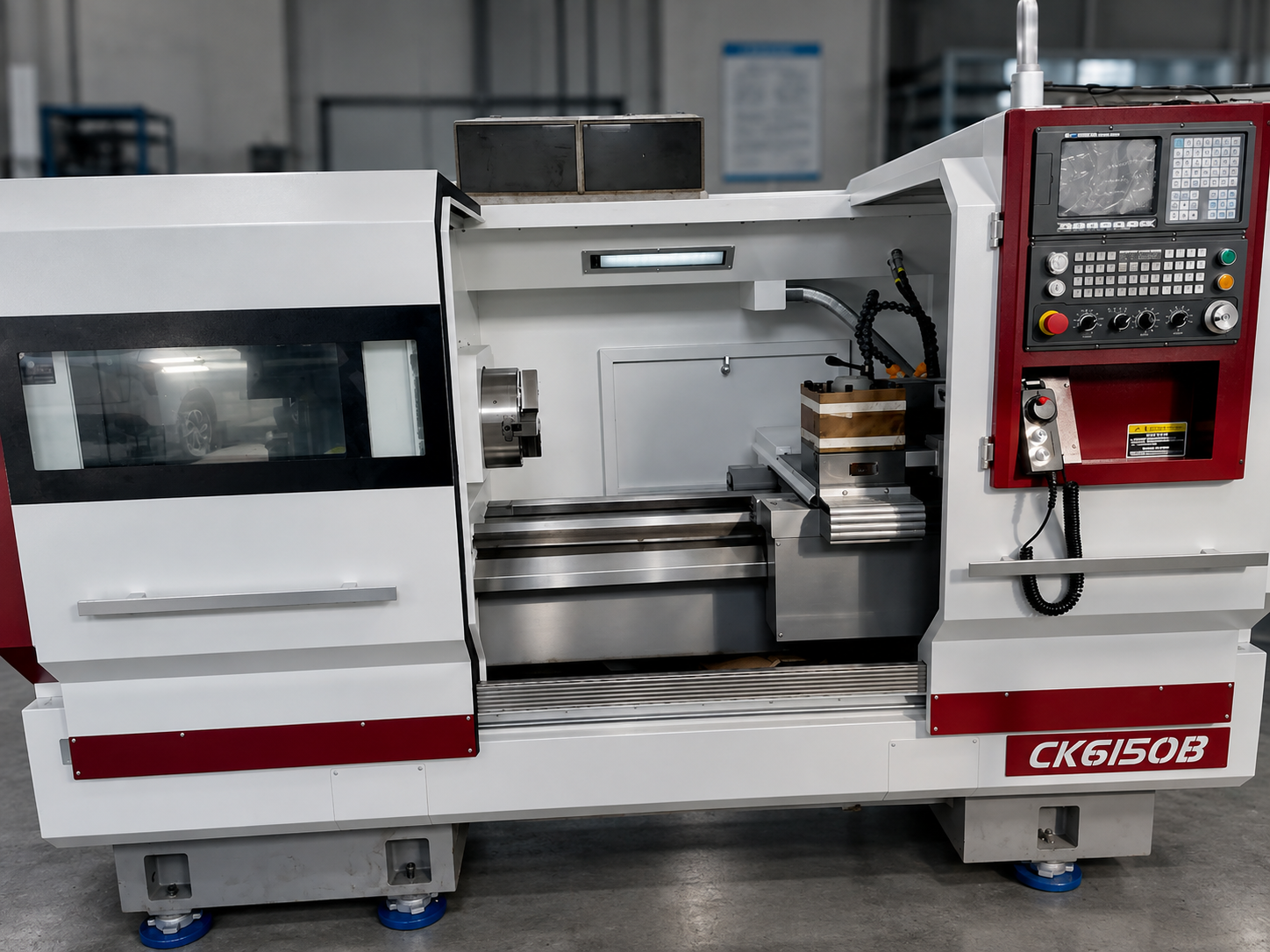
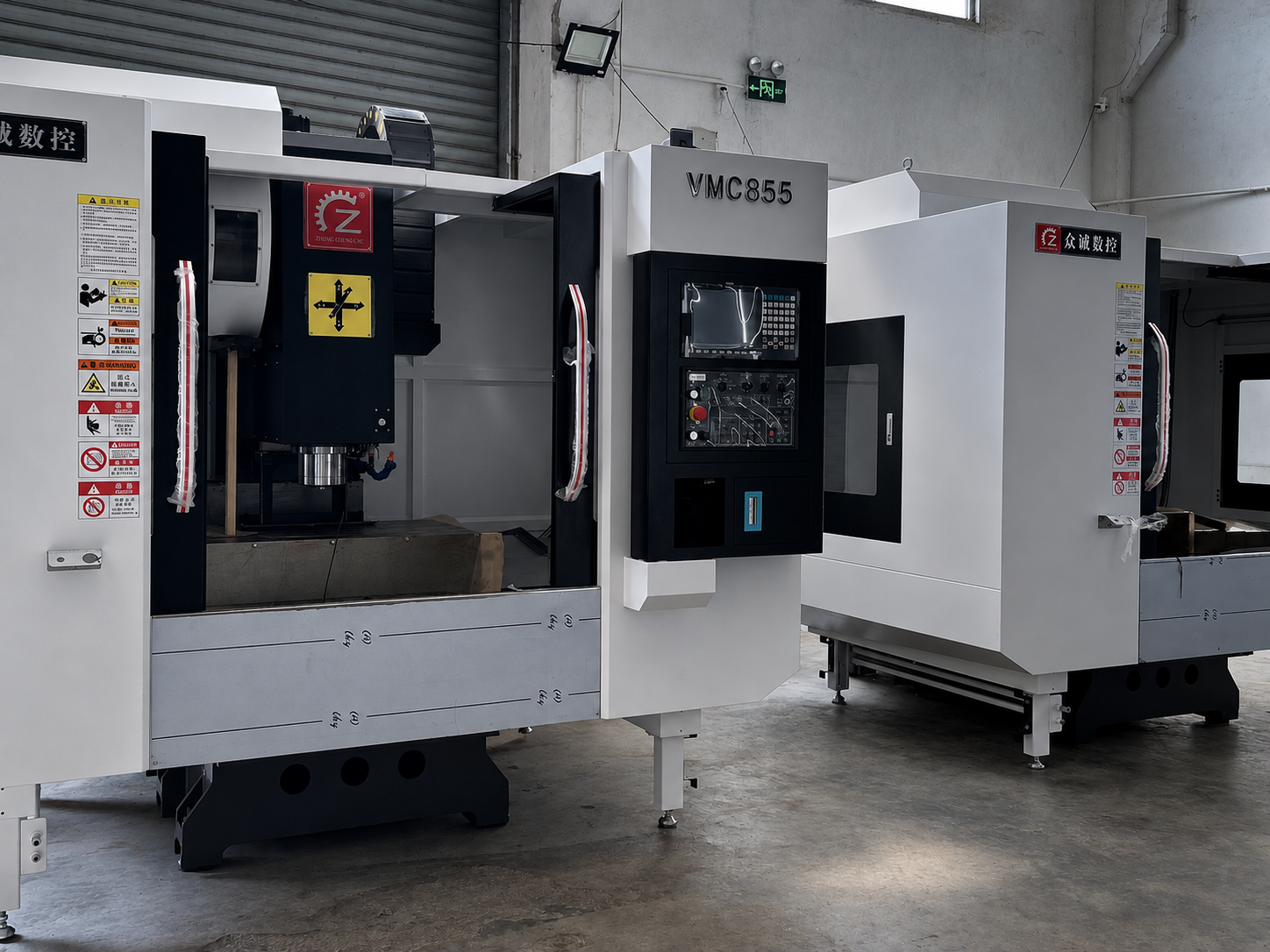
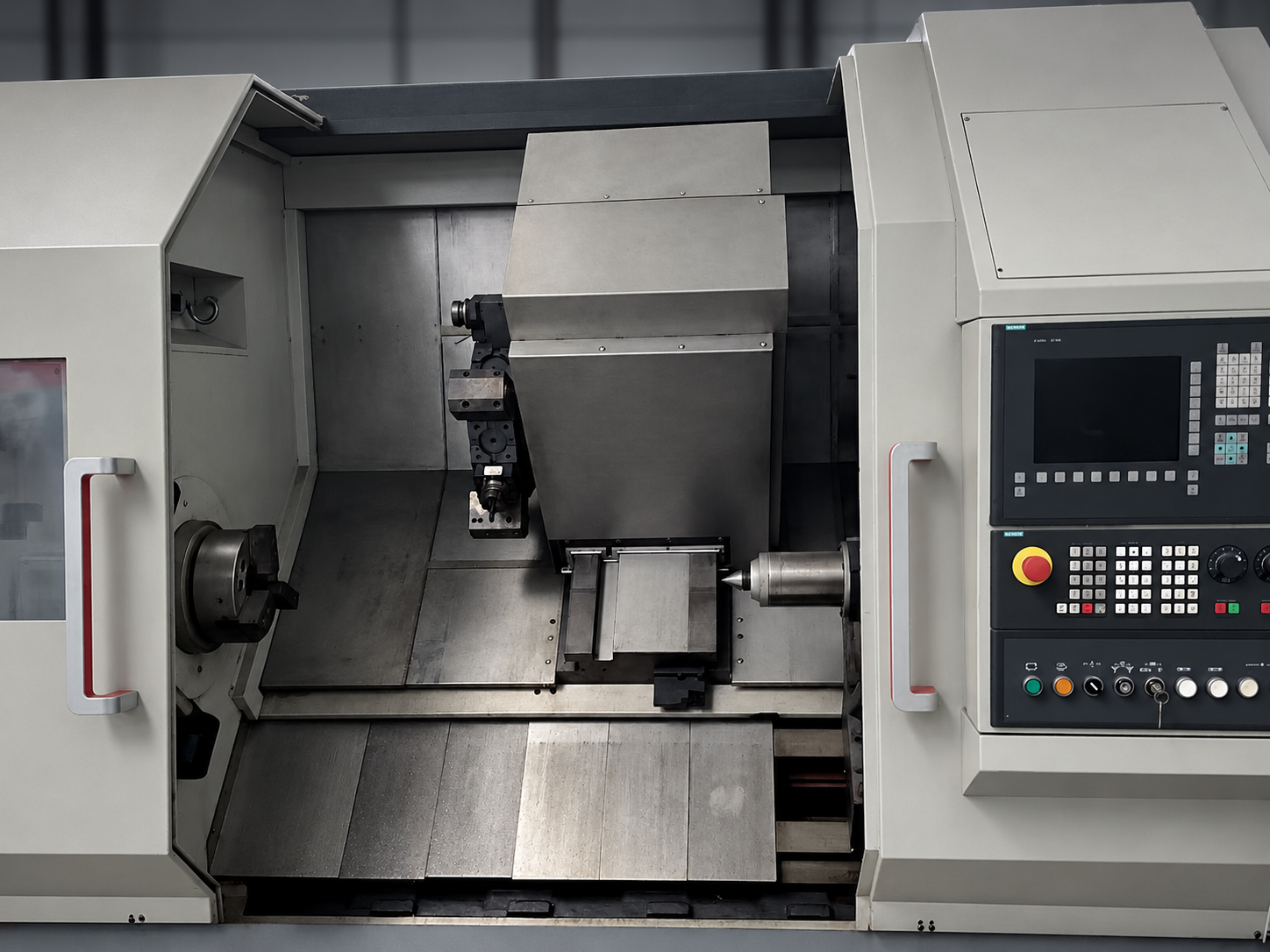
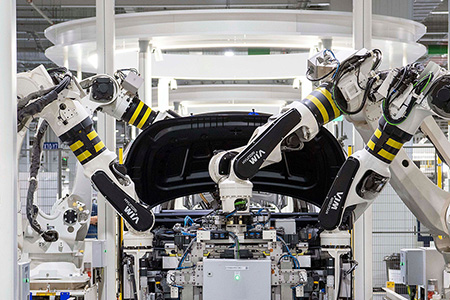
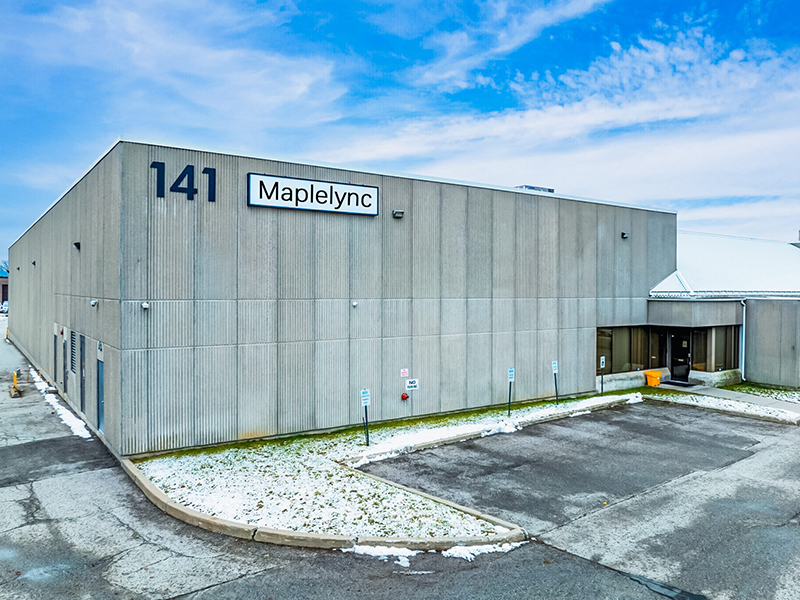
With advanced manufacturing equipment, professional inspection tools, and an experienced production team, we provide flexible support from prototypes to volume production while maintaining consistent quality and reliable delivery.

  • Advanced Equipment

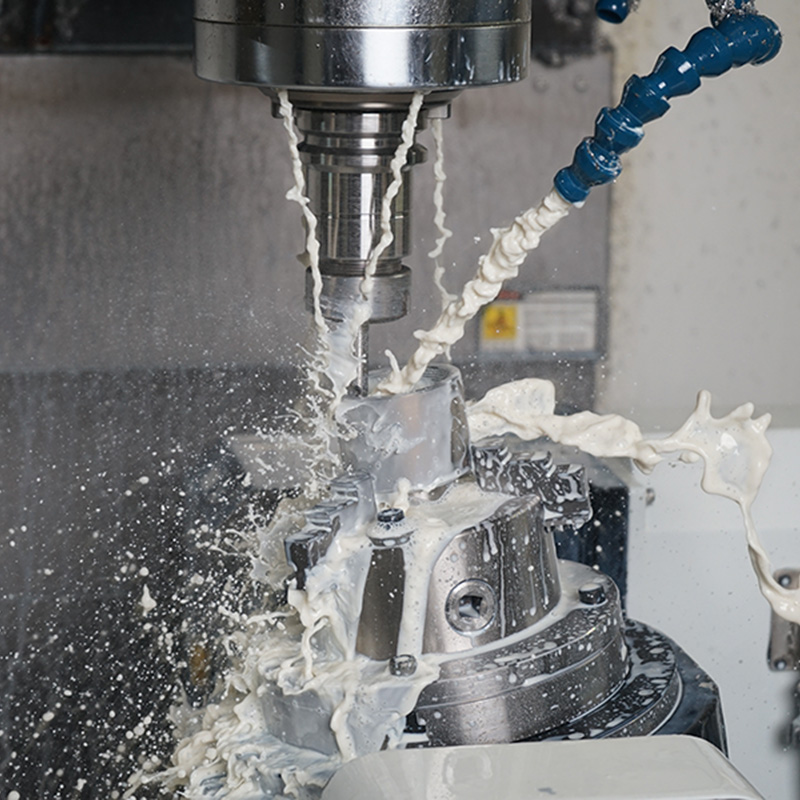
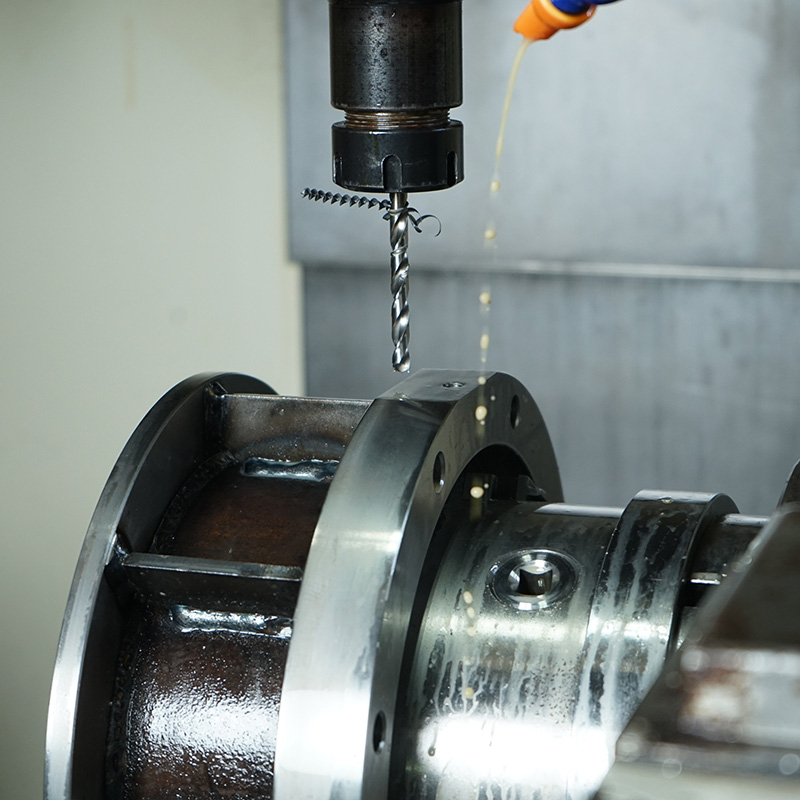
    Modern manufacturing equipment supports a wide range of materials, part sizes, and machining requirements.

  • Experienced Team

    Skilled engineers and technicians support both standard and complex manufacturing projects.

  • Strict Quality Control

    Professional inspection and standardized processes help ensure consistent part quality.

  • Flexible Production

    From prototypes and small batches to volume production, we provide flexible production support for different project needs.

Our 3D Printing Technologies

Explore the 3D printing technologies we use to support prototypes, complex geometries, custom parts, and low-volume production.

  • SLA

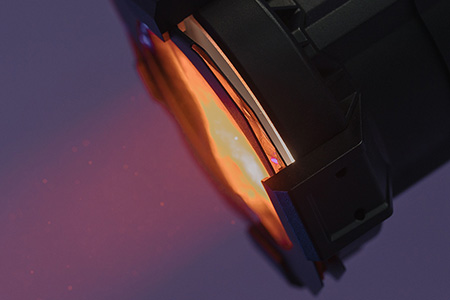
    Stereolithography (SLA) uses a laser to cure various liquid resins into a solid structure.

  • SLS

    Selective Laser Sintering (SLS) uses a high-power laser to sinter powdered material and build a solid and stable structure.

  • MJF

    Multi Jet Fusion (MJF) uses exclusive PA12 material to create parts.

  • SLM

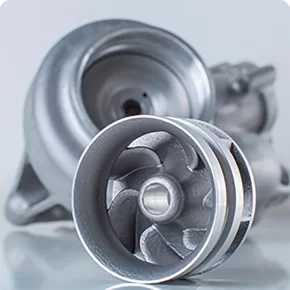
    Selective Laser Melting (SLM) uses a bed of powder with a source of heat to create metal parts.

  • DLP

    Digital Light Processing (DLP) projects light onto the photosensitive resin to create parts.

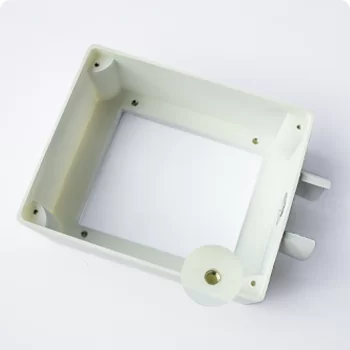
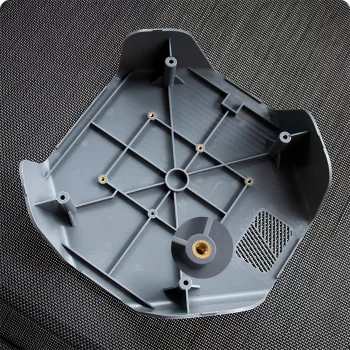
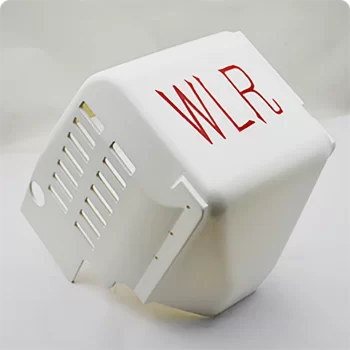
Finishing Options for 3D Printed Parts

Improve the appearance, surface texture, durability, and functionality of 3D printed parts with a range of professional post-processing options.

  • Painting

  • Thread Repair Inserts

  • Brass Insert Nuts

  • Silk Screen

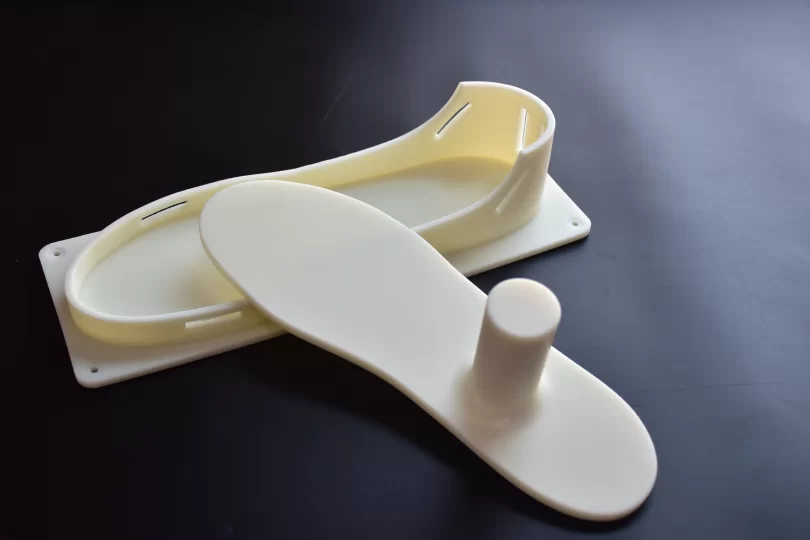
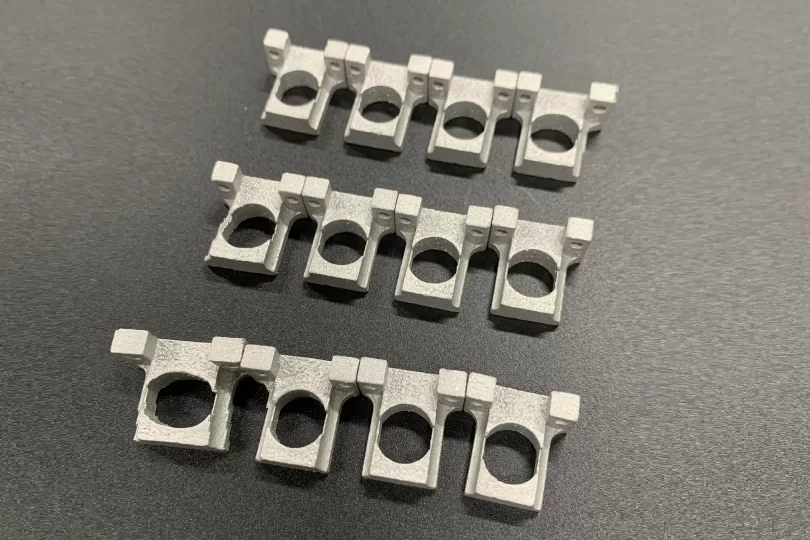
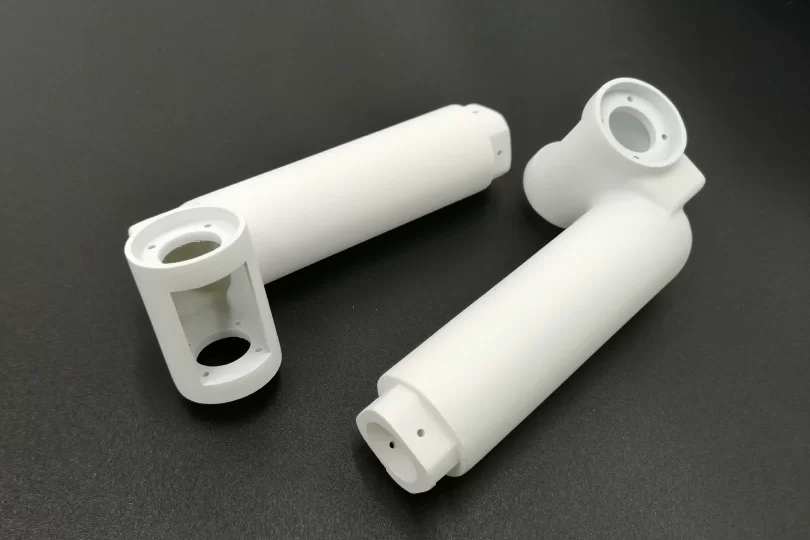
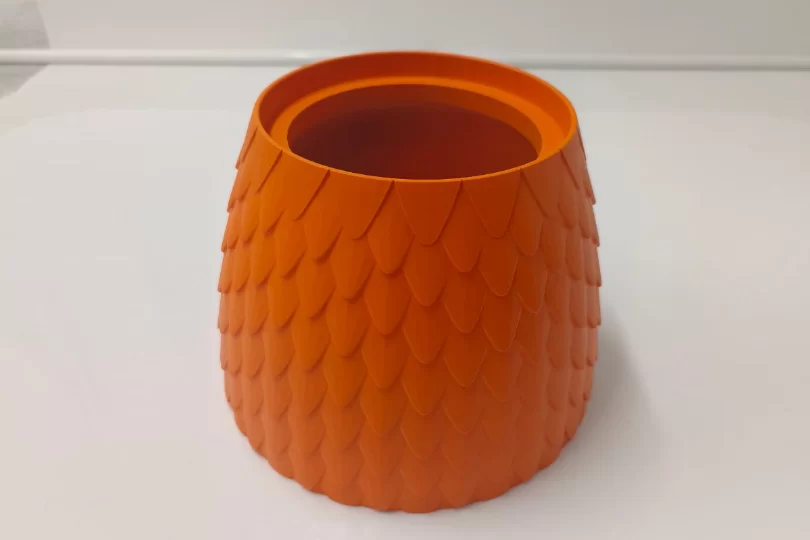
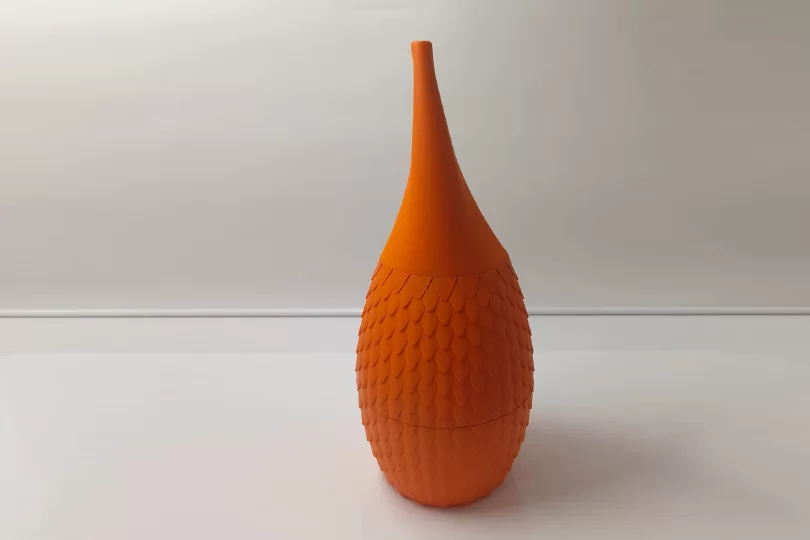
3D Printing Parts Gallery

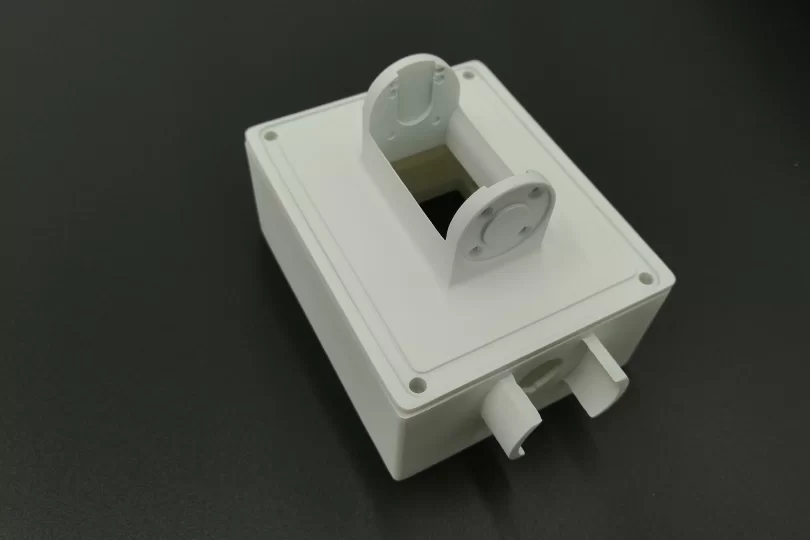
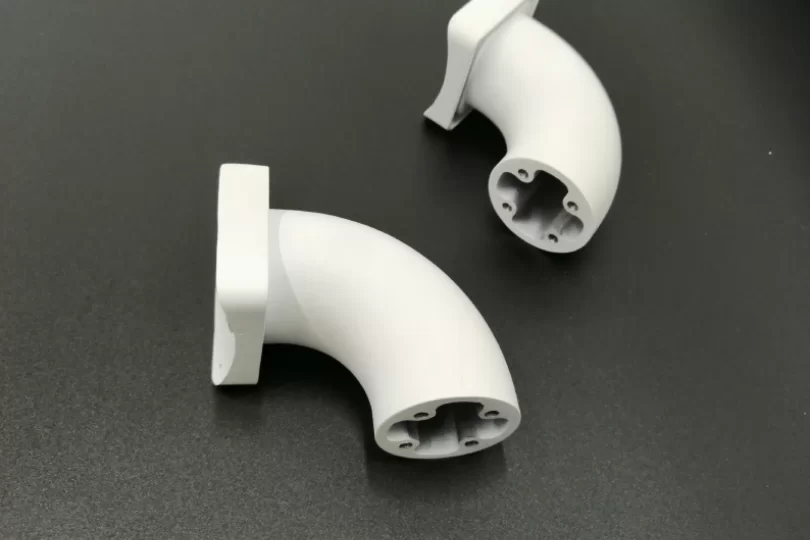
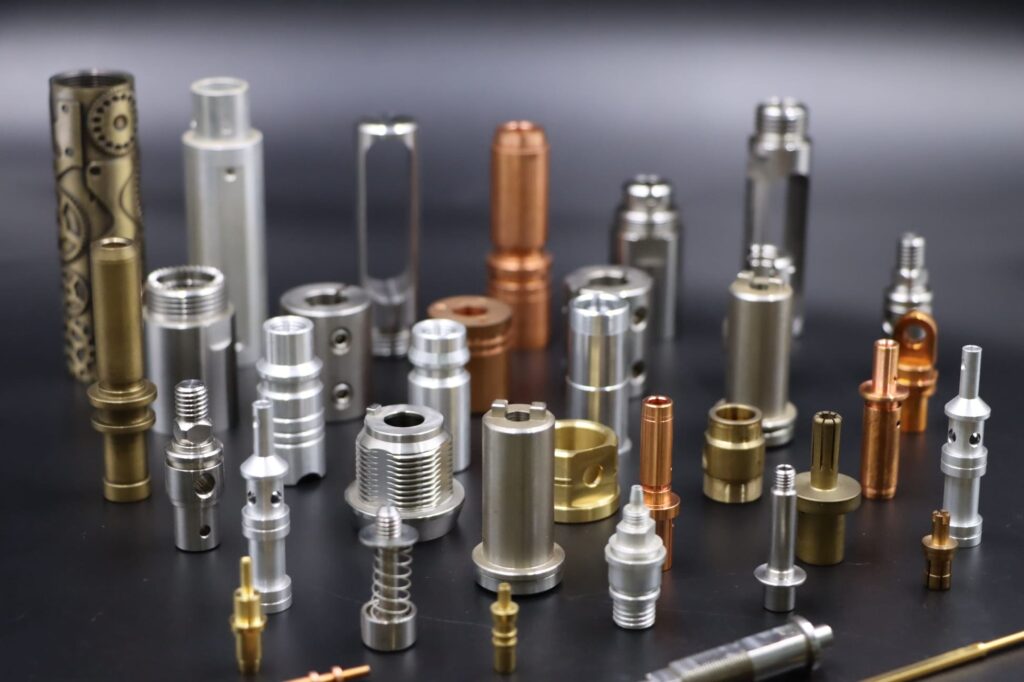
Explore our gallery of parts and components, showcasing our manufacturing quality, precision, and capabilities.

FAQs About 3D Printing Service

What is CNC turning?

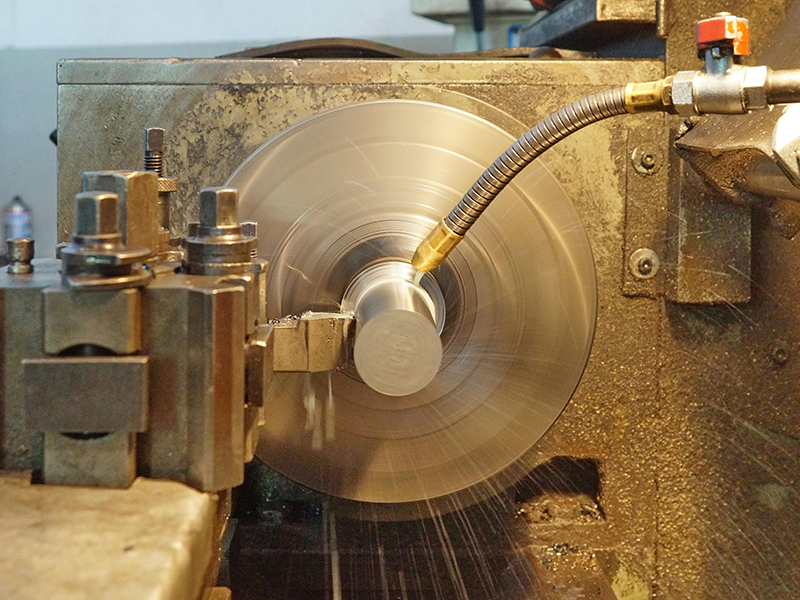
CNC turning is a machining process where a workpiece rotates while cutting tools remove material to create precise cylindrical parts.

What materials can be used for CNC turning?

We machine aluminum, stainless steel, steel, brass, copper, titanium, plastics, and other engineering materials.

What types of parts are suitable for CNC turning?

CNC turning is ideal for shafts, pins, bushings, sleeves, threaded parts, and other round or cylindrical components.

Can you handle both prototypes and production runs?

Yes. We support everything from one-off prototypes and small batches to higher-volume production.